
Wet Wipes Knowledge
Wet Wipes Material Guide: How to Choose the Right Nonwoven Fabric
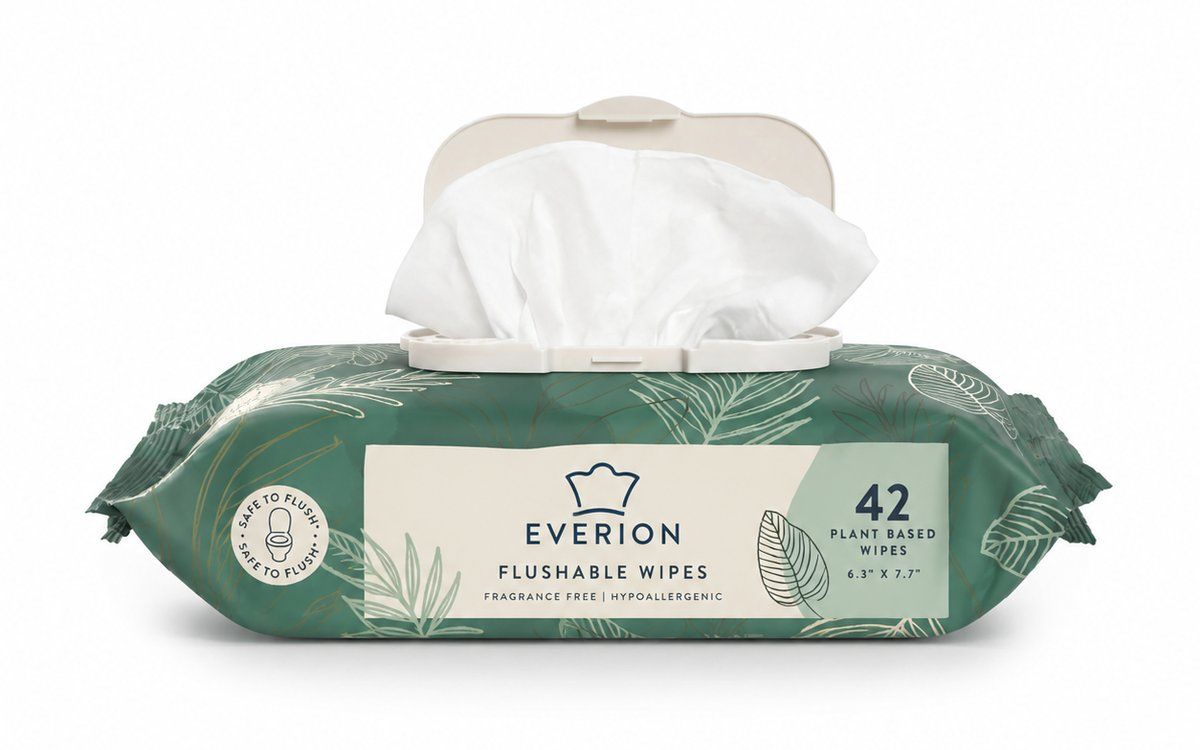
The quality of a wet wipe depends not only on its formula but also on the material used to manufacture the wipe itself.
For brand owners, distributors, and private label buyers, selecting the right nonwoven fabric is one of the most important decisions during product development.
Different materials offer different levels of softness, absorbency, strength, sustainability, and cost.
In this guide, we explain the most commonly used wet wipes materials and help you choose the right option for your project.
Consumers interact directly with the wipe fabric.
Even if the formula is excellent, poor material selection can negatively affect the user experience.
The right material can improve:
Choosing the correct fabric also affects product positioning and manufacturing costs.
Unlike traditional woven textiles, nonwoven fabrics are produced by bonding fibers together without weaving or knitting.
Nonwoven materials are widely used in:
The most common wet wipes material today is spunlace nonwoven fabric.
Spunlace is the most widely used wet wipes material in the world.
It is produced by using high-pressure water jets to entangle fibers together.
Because of its balance between performance and cost, spunlace remains the preferred material for most wet wipes manufacturers.
Cotton-based materials are often used in premium products.
Consumers generally associate cotton with comfort, softness, and natural ingredients.
Cotton materials are usually more expensive than standard spunlace fabrics.
For this reason, cotton wipes are commonly positioned as premium products.
Bamboo fiber has become increasingly popular in recent years due to growing environmental awareness.
Many brands choose bamboo materials to support sustainability marketing initiatives.
Although bamboo fibers offer environmental advantages, product performance should always be evaluated through sample testing before mass production.
Environmental concerns have increased demand for biodegradable wet wipes.
These materials are designed to break down more efficiently than conventional synthetic fabrics.
Different regions may have different standards regarding biodegradability claims.
Manufacturers should provide supporting documentation whenever possible.
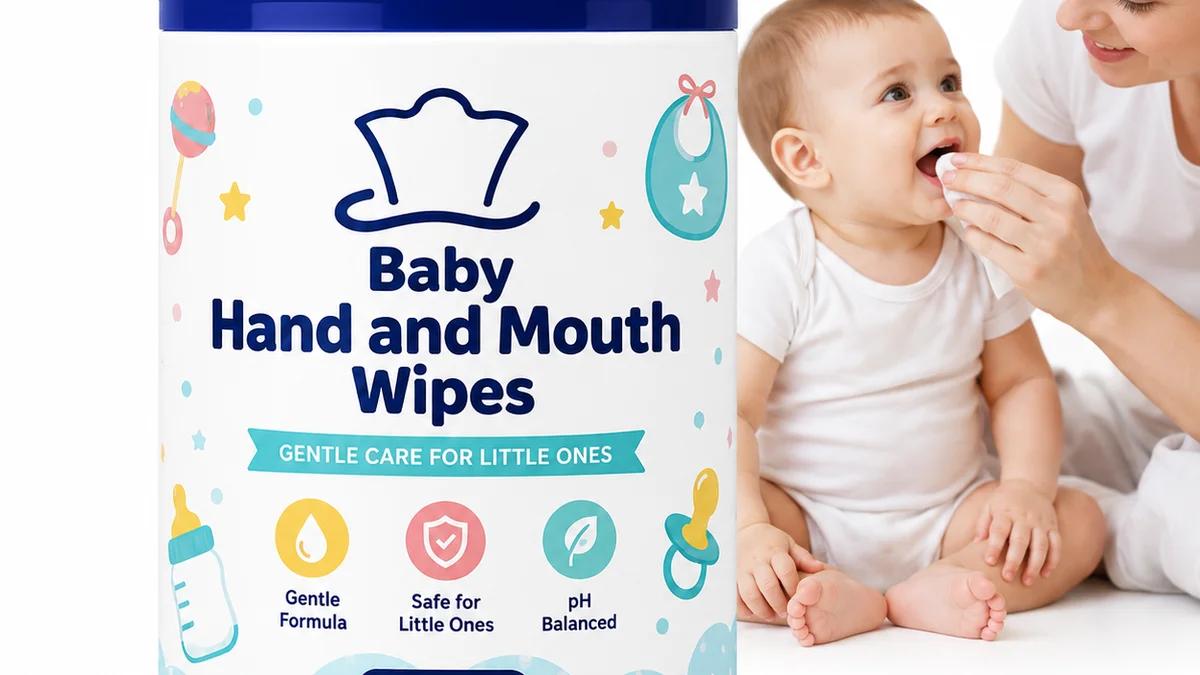
Flushable wipes require specialized material structures.
Unlike standard wet wipes, flushable products are designed to disperse more effectively after disposal.
Flushable products must meet specific performance requirements.
Material selection is critical to balancing strength during use and dispersibility after disposal.
Many wet wipes contain polyester blended with natural fibers.
Polyester can improve:
Common blends include:
The ratio depends on the desired product performance and budget.
Material weight is typically measured in GSM (grams per square meter).
Common wet wipes materials range from:
Benefits:
Benefits:
The optimal weight depends on the intended application.
Recommended materials:
Key priorities:
Recommended materials:
Key priorities:
Recommended materials:
Key priorities:
Recommended materials:
Key priorities:
Recommended materials:
Key priorities:
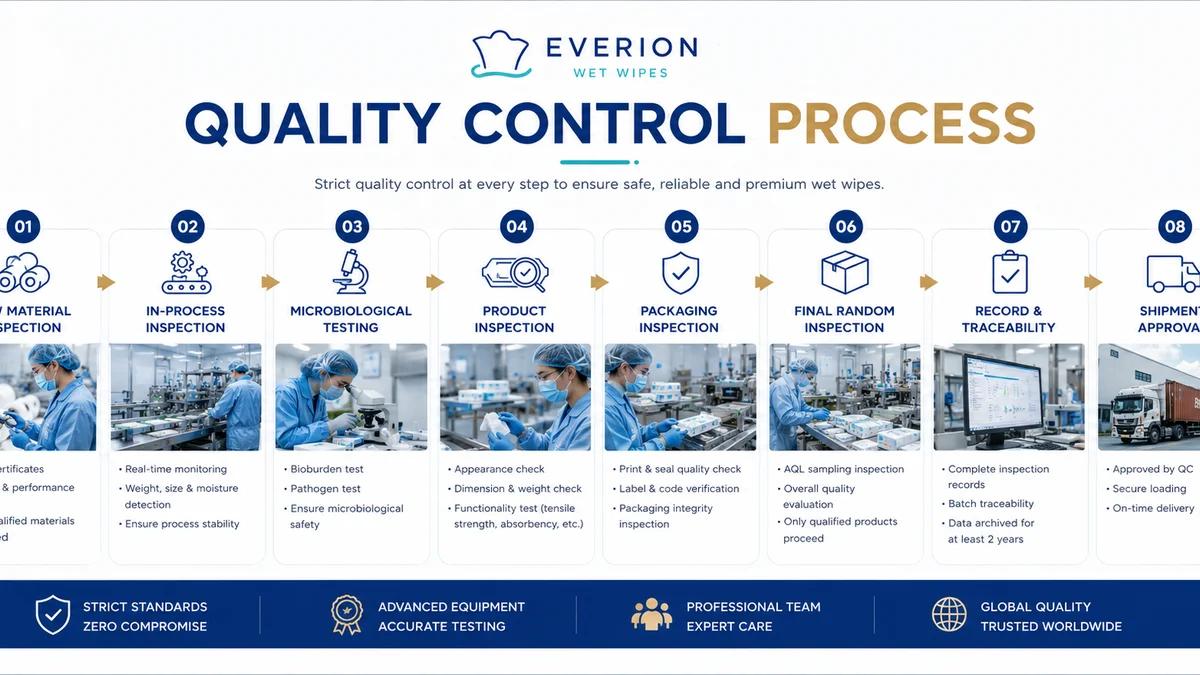
Professional OEM manufacturers can help buyers choose suitable materials based on:
Material recommendations are often supported through sample development and performance testing.
The fabric used in a wet wipe plays a major role in product performance, consumer experience, and brand positioning.
Spunlace remains the most versatile and widely used option, while cotton, bamboo, biodegradable, and flushable materials provide additional opportunities for differentiation.
By selecting the right material and working with an experienced OEM manufacturer, brands can develop products that meet customer expectations while supporting long-term business growth.
Share your product category, packaging idea, quantity, and target market. Our export team will help confirm the next step.