
Wet Wipes Knowledge
OEM vs Private Label Wet Wipes: What's the Difference?
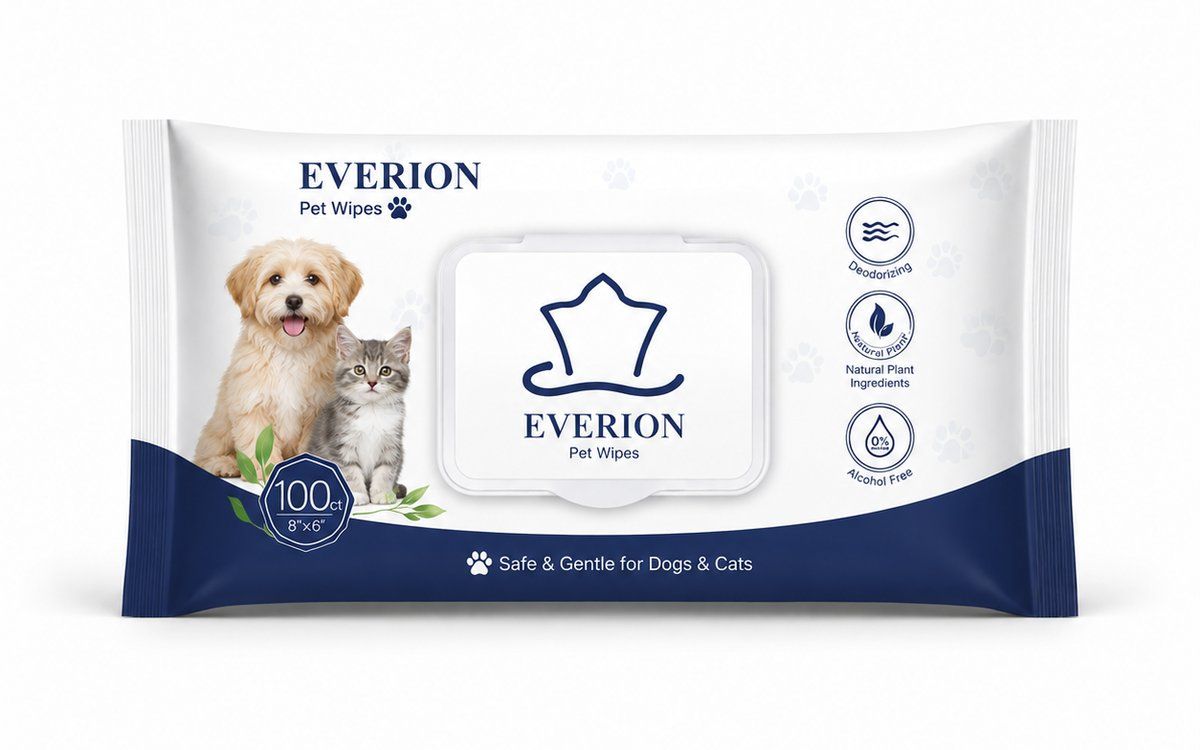
If you are planning to launch a wet wipes brand, one of the first decisions you will face is whether to choose OEM manufacturing or private label manufacturing.
Many buyers use these terms interchangeably, but they are not exactly the same.
Understanding the differences can help you reduce development costs, shorten lead times, and choose the most suitable business model for your brand.
In this guide, we explain the key differences between OEM and private label wet wipes and help you determine which option is right for your business.
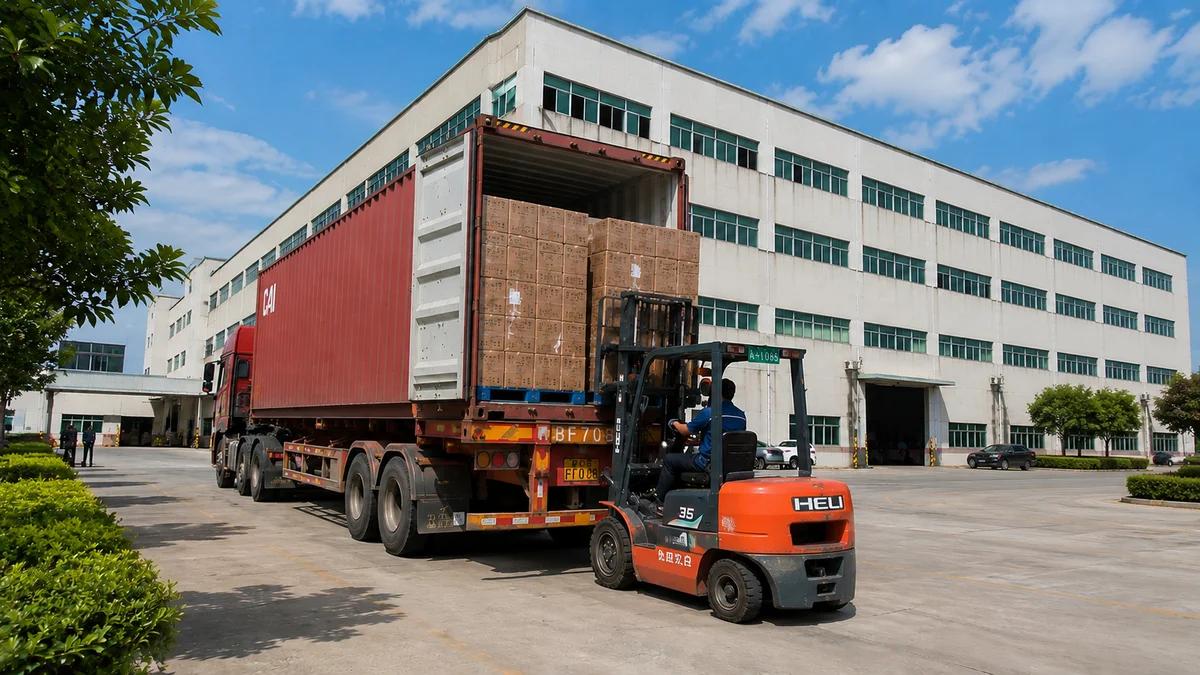
OEM stands for Original Equipment Manufacturer.
In wet wipes manufacturing, OEM means the product is developed according to your specific requirements.
You can customize nearly every aspect of the product, including:
The manufacturer produces the product based on your specifications, while the finished product is sold under your brand name.
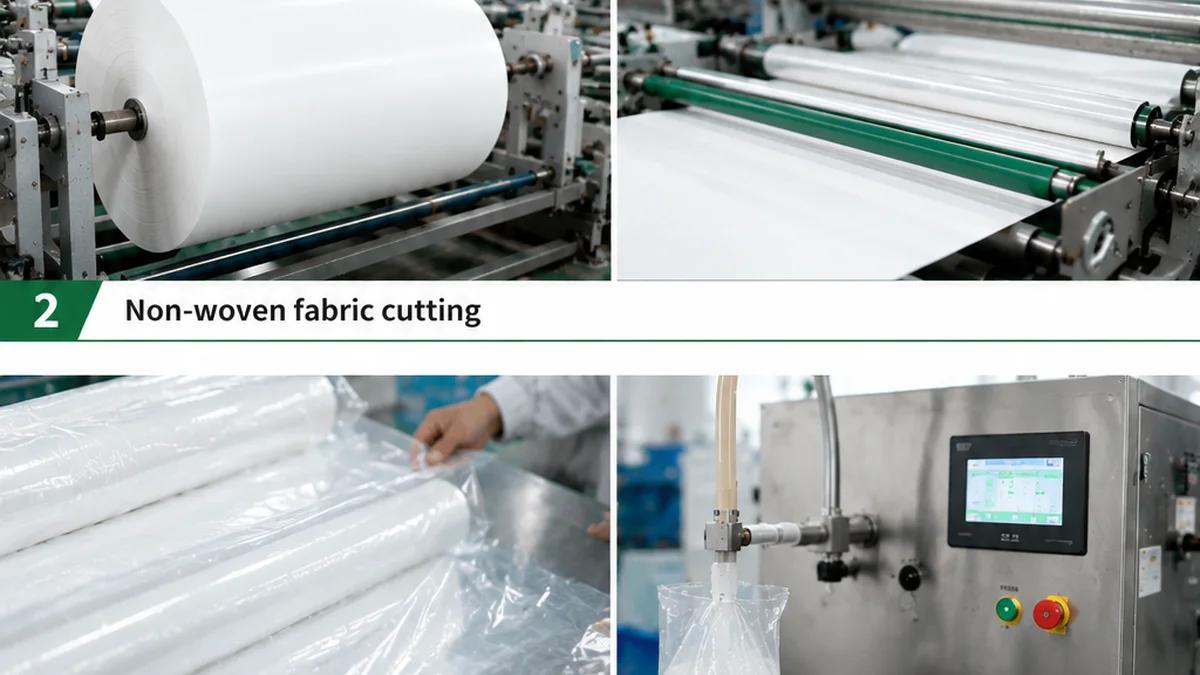
Private label manufacturing uses an existing product developed by the manufacturer.
Instead of creating a completely customized formula, buyers select from ready-made options.
The manufacturer then applies the buyer's:
This approach allows businesses to launch products much faster than OEM development.
Private label products are especially popular among:
| Feature | OEM | Private Label |
|---|---|---|
| Formula Customization | Full | Limited |
| Packaging Customization | Full | Full |
| Development Time | Longer | Faster |
| MOQ | Usually Higher | Usually Lower |
| Product Uniqueness | High | Moderate |
| Development Cost | Higher | Lower |
| Speed to Market | Medium | Fast |
Both models have advantages depending on your business goals.
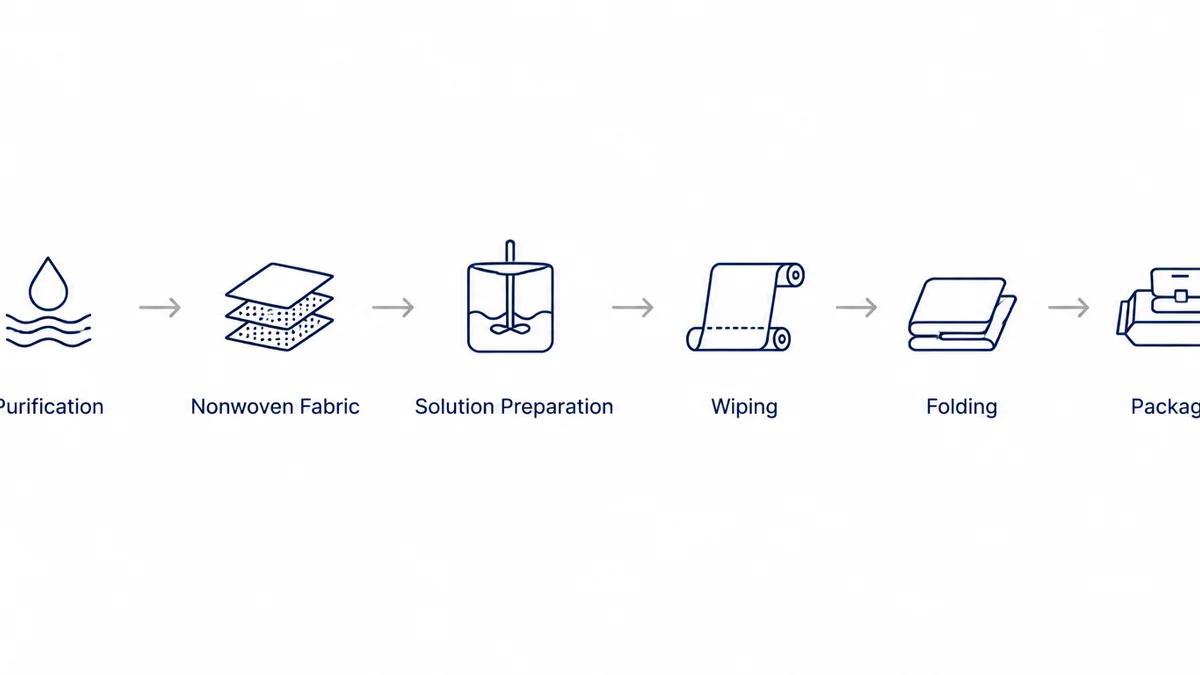
OEM manufacturing allows you to create products that competitors cannot easily copy.
Examples include:
This helps build stronger brand differentiation.
OEM buyers can select:
The result is a product designed specifically for a target market.
Unique products are easier to position as premium products.
Customers often perceive custom-developed products as more valuable than generic alternatives.
This can improve:
Private label products already exist.
There is no need for extensive formula development or testing.
This significantly reduces development time.
Many projects can move from artwork approval to production within a short period.
Private label manufacturing generally requires:
This makes it ideal for new businesses.
Since the formula has already been tested and manufactured, private label products often involve fewer technical risks.
Businesses can focus more on marketing and sales.
For most new brands, private label manufacturing is often the easiest starting point.
Benefits include:
After establishing market demand, many brands eventually transition to OEM manufacturing to develop exclusive products.
This staged approach reduces risk while allowing long-term growth.
Established brands usually prefer OEM manufacturing.
Reasons include:
Custom formulas and packaging help create barriers for competitors.
Whether you choose OEM or private label manufacturing, many customization options remain available.
Common formulations include:
Popular nonwoven materials include:
Available packaging styles include:
Different textures provide different user experiences.
Examples include:
Whether you choose OEM or private label manufacturing, selecting the right supplier is critical.
Look for manufacturers with:
Reliable manufacturers should operate:
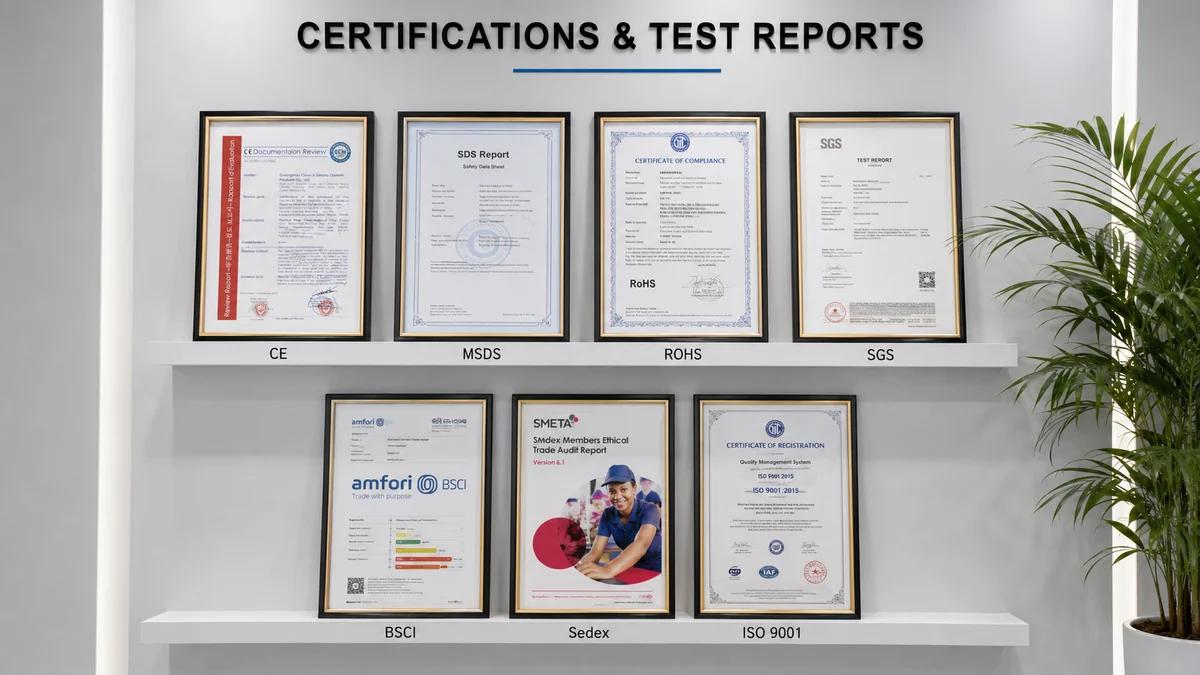
Verify certifications such as:
Global export experience helps ensure:
A strong OEM partner should provide support for:
Several factors influence project costs:
Generally speaking:
Private label projects typically require lower investment than OEM projects.
However, OEM products often offer higher long-term profitability due to stronger product differentiation.
Choose Private Label if:
Choose OEM if:
Many successful brands begin with private label products and later develop OEM solutions as sales grow.
Both OEM and private label wet wipes manufacturing offer excellent opportunities for businesses entering the wet wipes market.
Private label manufacturing provides a fast and cost-effective route to market, while OEM manufacturing offers maximum flexibility and stronger long-term brand value.
The best choice depends on your budget, timeline, and growth strategy.
By working with an experienced wet wipes manufacturer, businesses can successfully develop products that meet customer expectations and support sustainable growth.
Share your product category, packaging idea, quantity, and target market. Our export team will help confirm the next step.