
Wet Wipes Knowledge
OEM Baby Wipes Manufacturer Guide for Private Label Brands
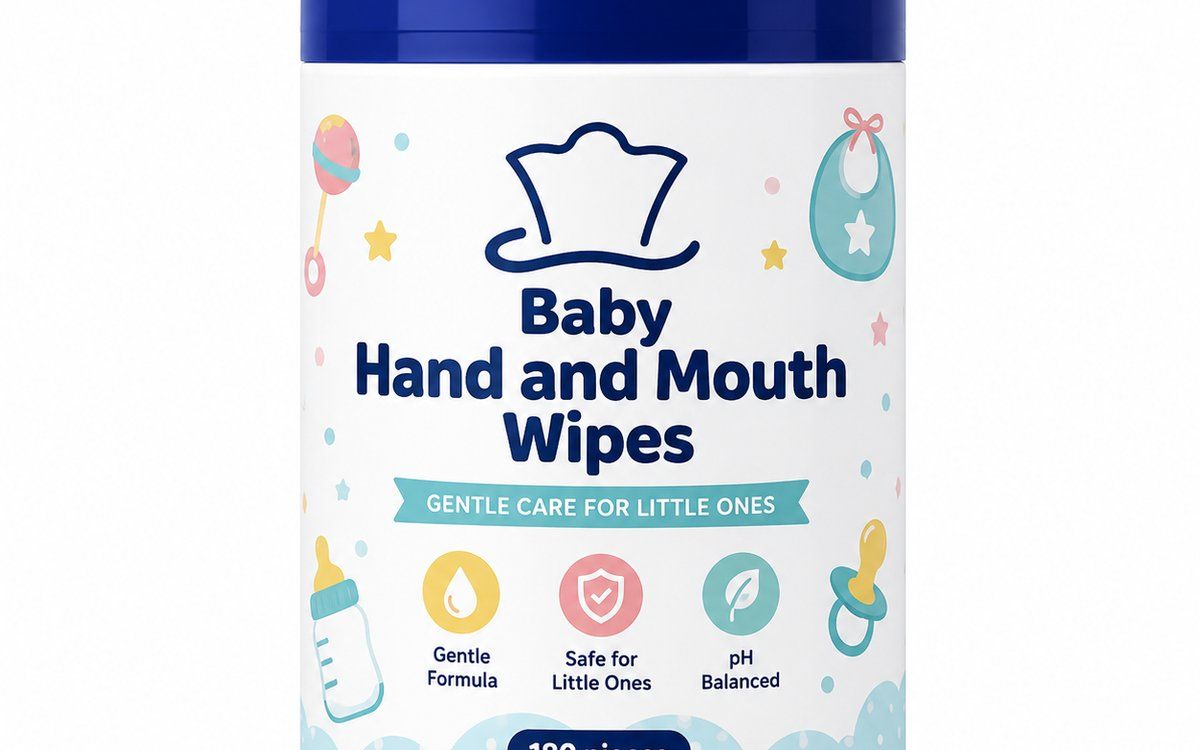
Baby wipes are one of the most competitive and stable categories in the wet wipes market. For importers, distributors, wholesalers, and private label brand owners, the opportunity is clear: parents need safe, gentle, convenient wipes every day, and retailers continue to look for reliable baby care products with consistent quality and attractive packaging.
Choosing the right OEM baby wipes manufacturer is not only about getting a low unit price. It is about building a product that parents trust, that complies with market expectations, and that can be supplied consistently. A good manufacturer should help you control formulation, fabric selection, packaging design, production hygiene, delivery planning, and long-term product improvement.
ANHUI EVERION TECHNOLOGY CO., LTD., under the EVERION brand, provides OEM and private label baby wipes manufacturing for global buyers. With GMP workshop management, ISO 8 cleanroom production, custom formulations, custom packaging, MOQ from 5,000 packs, free samples, and free packaging design support, EVERION helps buyers develop baby wipes that are ready for retail, e-commerce, and distribution channels.
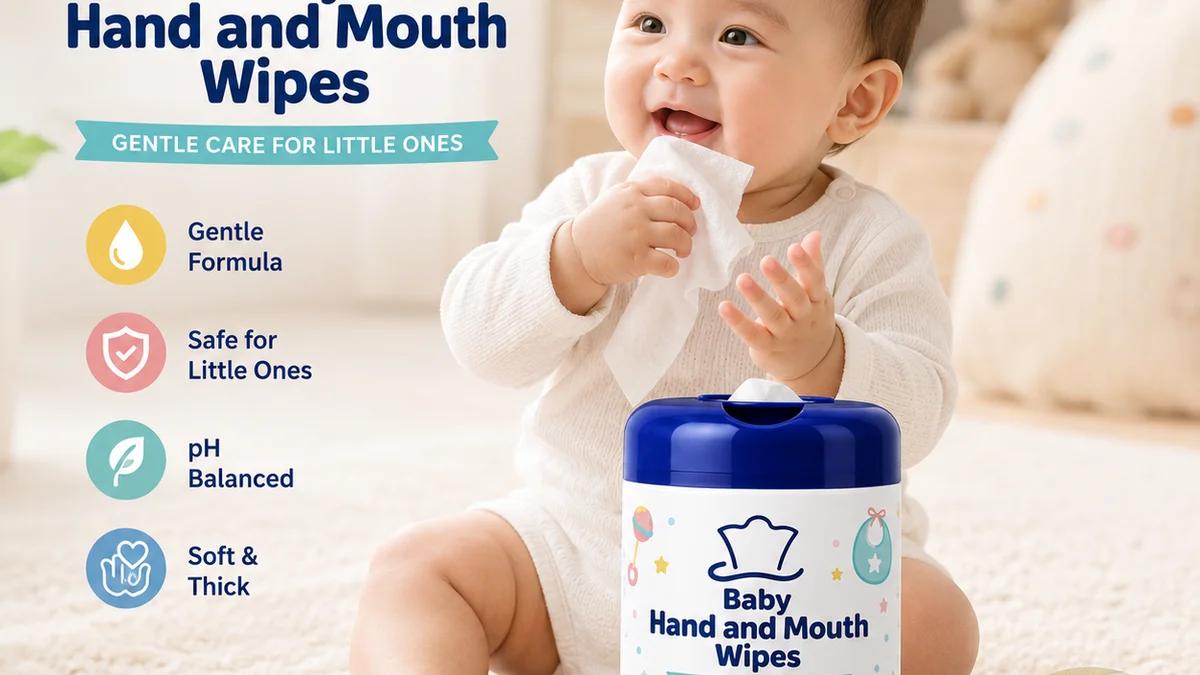
Baby wipes have repeat-purchase demand. Unlike seasonal or occasional products, baby wipes are used daily for diaper changing, hand cleaning, face cleaning, travel, and general infant care. This creates stable reorder potential for supermarkets, pharmacies, online stores, maternity stores, and baby product distributors.
For B2B buyers, private label baby wipes also offer strong brand-building value. Packaging can be customized around sensitive skin, fragrance-free formulas, plant-based ingredients, extra softness, biodegradable fabric, or value-pack positioning. A buyer can create a low-cost entry product, a mid-range family product, or a premium natural baby care line.
The key is to define the product clearly before production begins. Baby wipes are used on delicate skin, so product positioning should be connected to material softness, formula mildness, quality testing, and packaging protection.
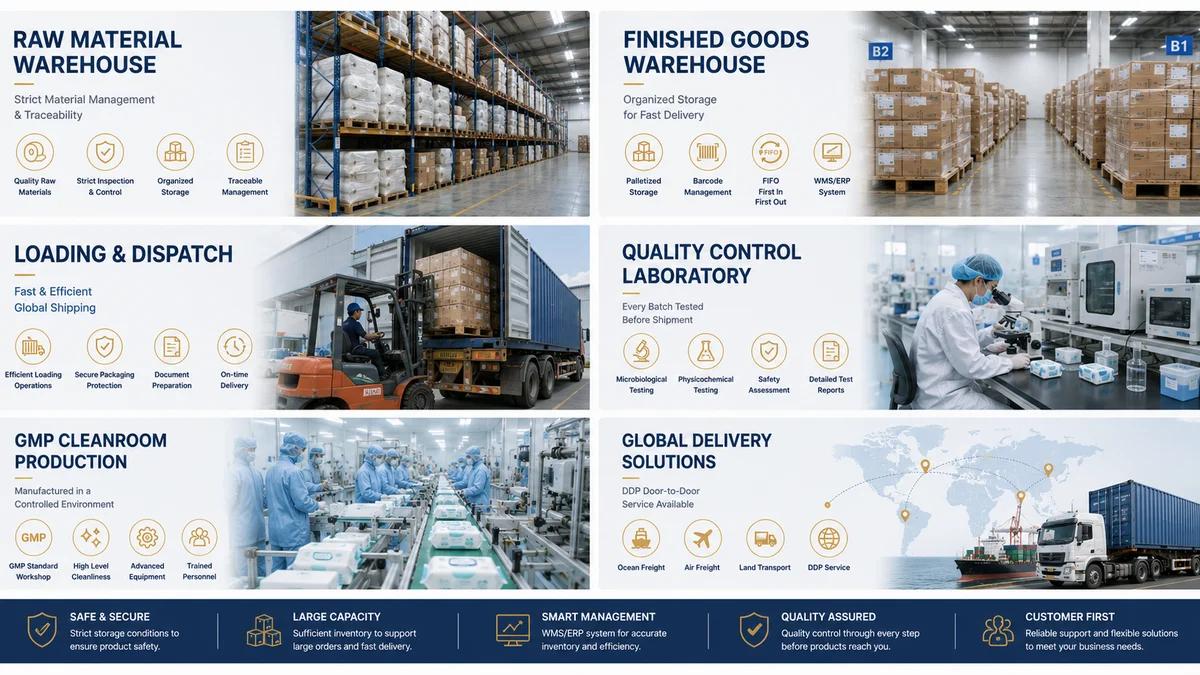
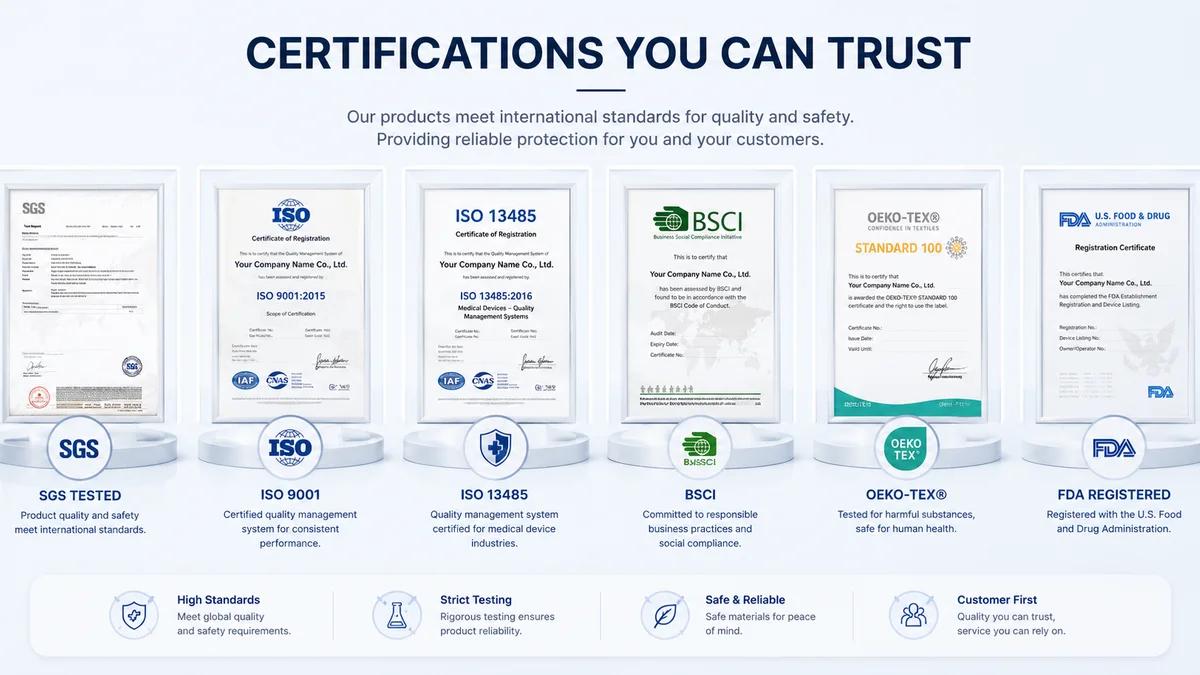
Baby care products require strict hygiene management. When evaluating an OEM baby wipes manufacturer, ask about workshop standards, cleanroom level, employee hygiene procedures, water treatment, production line cleaning, and batch control. EVERION uses GMP workshop management and ISO 8 cleanroom production to support stable and hygienic manufacturing.
For buyers, this matters because quality problems in baby wipes can damage trust quickly. A clean manufacturing environment reduces contamination risk and supports consistent product quality across repeat orders.
Private label projects require more than production capacity. The manufacturer must understand packaging layout, ingredient claims, label content, barcode placement, carton marks, retail presentation, and buyer communication. An experienced OEM partner can help you avoid common launch mistakes, such as weak lid sealing, unsuitable fabric weight, unclear packaging claims, or poor carton strength.
EVERION supports OEM and private label service for buyers who need customized baby wipes under their own brand. This includes formula adjustment, packaging structure selection, and free packaging design support.
For new brands, high MOQ can create inventory pressure. A practical MOQ allows buyers to test a market before scaling. EVERION offers MOQ from 5,000 packs, which is useful for new product launches, regional distributors, Amazon sellers, and buyers testing several packaging types or formulas.
Lower MOQ does not mean buyers should ignore planning. Even for a trial order, it is important to confirm pack count, wipes size, carton size, shipping terms, and target retail price before production.
The fabric is the main part of the user experience. Parents notice softness, thickness, wetness, stretch, and whether the wipe tears during use. Common nonwoven options include spunlace nonwoven, viscose and polyester blends, bamboo fiber options, and biodegradable material options.
For a value baby wipe, buyers may choose a balanced nonwoven fabric that offers reliable softness at a competitive cost. For a premium baby wipe, a thicker fabric with higher viscose content or biodegradable positioning may be more suitable.
When choosing fabric, consider these points:
An experienced wet wipes OEM manufacturer can provide samples with different fabric weights and textures so buyers can compare by touch and use.
Baby wipes formulas should be mild, stable, and suitable for sensitive skin positioning. Many private label buyers request fragrance-free, alcohol-free, paraben-free, or plant extract formulas. Some buyers prefer aloe vera, chamomile, vitamin E, or purified water positioning.
The best formula depends on market regulations, claim strategy, and price positioning. A simple mild formula may be better for sensitive skin branding, while a moisturizing formula can work well for premium retail lines.
Before confirming a baby wipes formula, buyers should discuss:
EVERION provides custom formulations for baby wipes and can help buyers align product features with brand positioning.
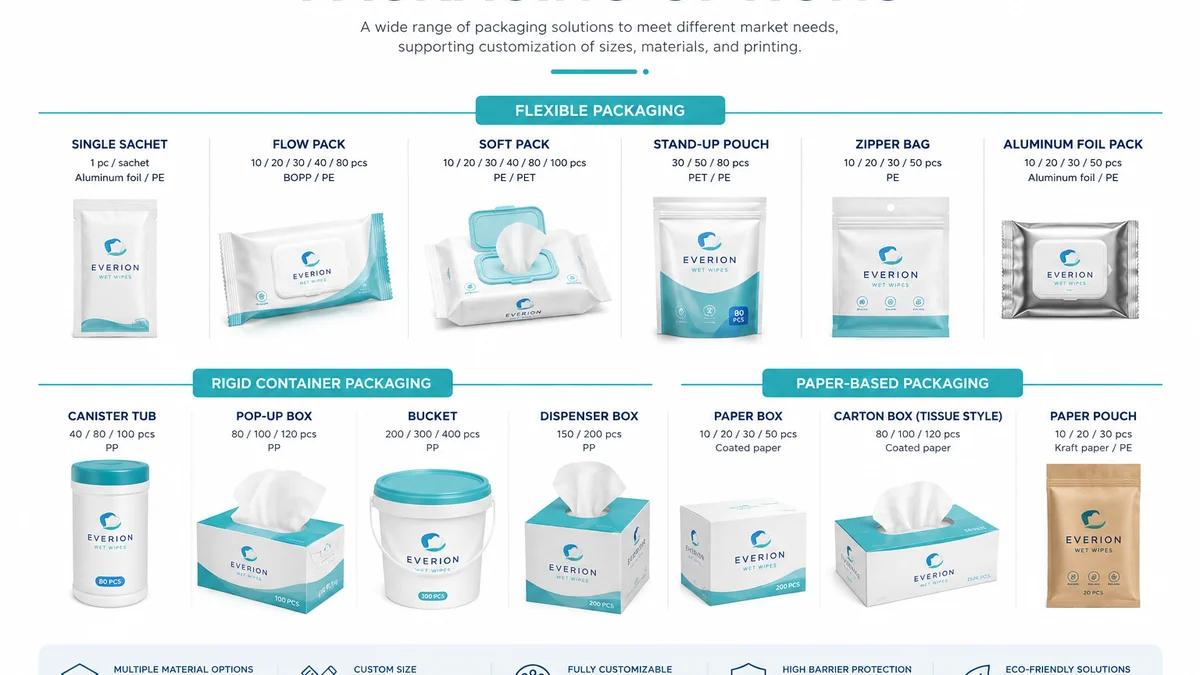
Packaging affects both shelf appeal and product performance. Baby wipes must stay moist during storage and after opening. Common packaging choices include soft packs with resealable labels, soft packs with plastic flip-top lids, travel packs, jumbo family packs, and multi-pack bundles.
For supermarkets and wholesale channels, strong shelf impact and clear product information are important. For e-commerce, carton protection and pack durability during shipping matter more. For premium baby care brands, packaging design should communicate safety, softness, and trust quickly.
EVERION provides custom packaging and free packaging design support, helping buyers create private label baby wipes with brand colors, product claims, icons, and retail-ready layouts.
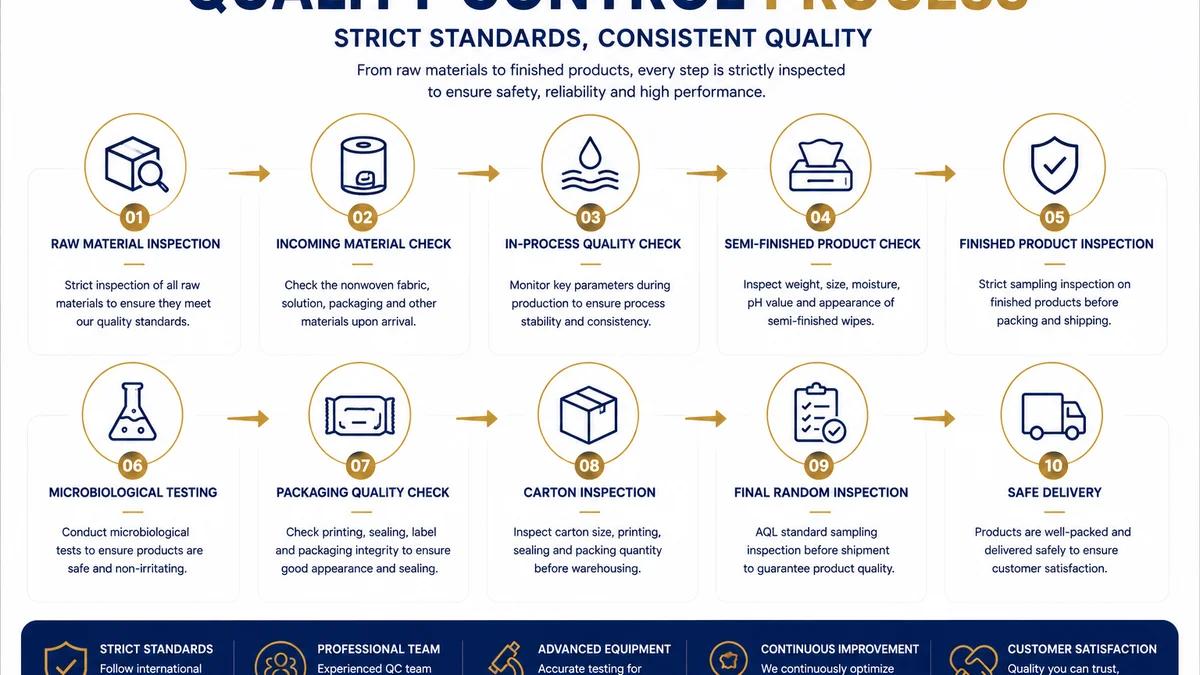
Quality control should begin before mass production. Buyers should approve samples, formula, packaging artwork, material specification, wipes size, fragrance, wetness level, and carton details. During production, batch control and inspection help ensure that the final goods match the approved sample.
Important inspection points include:
For baby wipes, consistency is especially important because parents will compare every repeat purchase to the previous one.
Wet wipes are relatively heavy because of liquid content. Shipping cost can strongly affect landed cost. Buyers should calculate product cost together with carton volume, loading quantity, destination duties, and delivery method.
EVERION can support DDP shipping where available, which helps buyers simplify import planning. This can be useful for small and medium buyers who prefer door-to-door cost visibility.
Before placing an order, confirm whether you need FOB, CIF, DDP, or another shipping term. Also confirm shelf life, production lead time, and reorder timing so your sales channel does not run out of stock.
A successful project starts with a clear brief. Buyers should prepare target market, product positioning, pack size, wipes count, fabric preference, formula preference, packaging style, expected order quantity, and shipping destination.
If you are unsure, request samples first. EVERION provides free samples so buyers can compare fabric, moisture, packaging, and product feel before committing to mass production.
The typical process includes product consultation, sample selection, formula confirmation, packaging design, quotation, order confirmation, production, quality inspection, and shipment.
Choosing an OEM baby wipes manufacturer is a long-term sourcing decision. The right partner should understand baby care safety, cleanroom production, private label packaging, quality control, and international shipping.
EVERION supports importers, distributors, wholesalers, and brand owners with OEM baby wipes manufacturing, MOQ from 5,000 packs, free samples, free packaging design support, GMP workshop management, ISO 8 cleanroom production, custom formulations, custom packaging, and DDP shipping options.
For buyers building a baby care line, a well-developed private label baby wipe can become a repeat-purchase product with strong retail value and long-term growth potential.
Share your product category, packaging idea, quantity, and target market. Our export team will help confirm the next step.