
Wet Wipes Knowledge
Household Cleaning Wipes OEM Manufacturer Guide for Private Label Brands
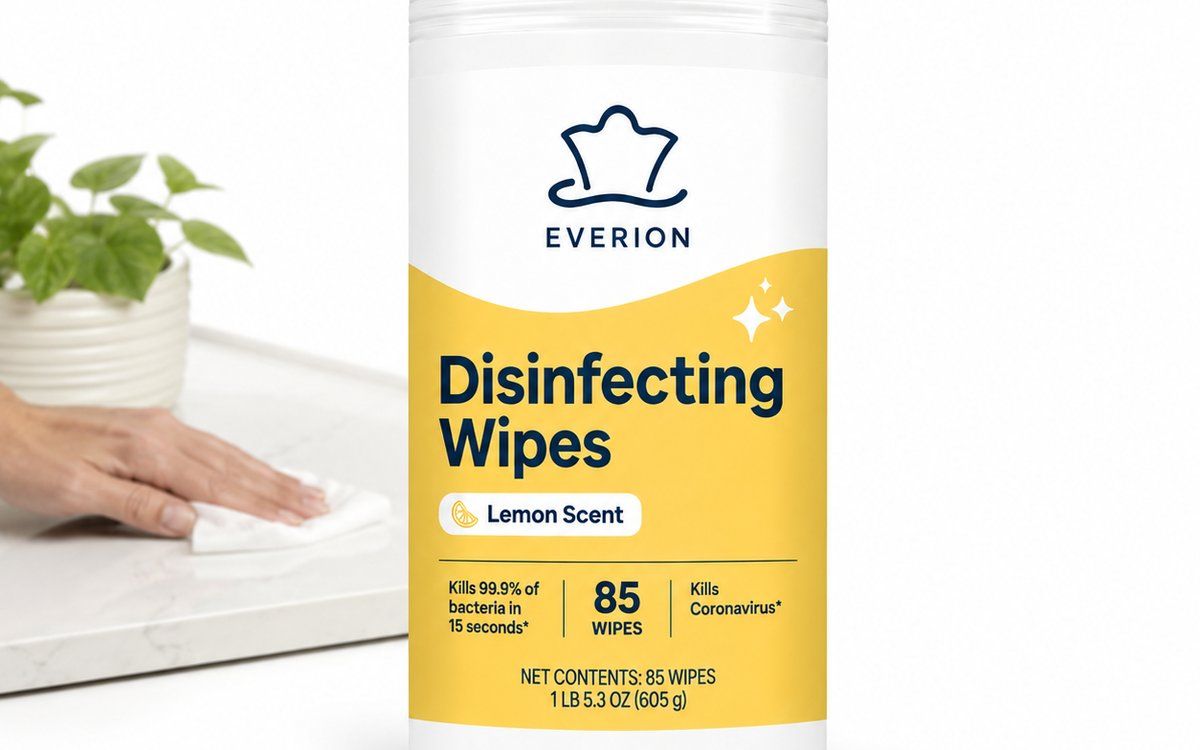
Household cleaning wipes are popular because they solve a simple problem: consumers want fast, convenient cleaning without mixing sprays, cloths, and detergents. For importers, distributors, wholesalers, and private label brand owners, household cleaning wipes can be developed for kitchens, bathrooms, glass, furniture, floors, appliances, and general multi-surface use.
As an OEM wet wipes manufacturer, ANHUI EVERION TECHNOLOGY CO., LTD. helps buyers develop private label household cleaning wipes with custom formulations, custom packaging, free samples, free packaging design support, MOQ from 5,000 packs, GMP workshop production, ISO 8 cleanroom management, and DDP shipping support where available.
This guide explains how B2B buyers can plan a household cleaning wipes project from product positioning to factory production and shipping.
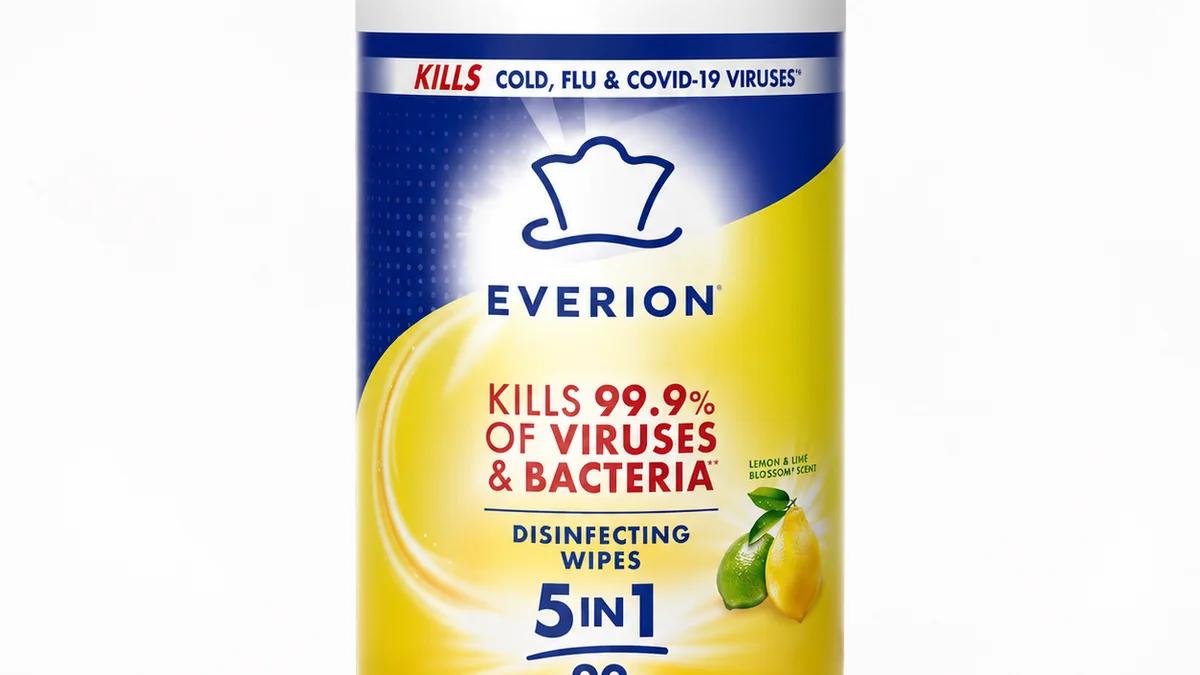
Household cleaning wipes fit modern consumer habits. They are easy to store, easy to carry, and ready to use. Unlike bottled cleaners, wipes provide a measured amount of liquid and disposable convenience. This makes them attractive for busy households, renters, office users, hotels, cleaning service providers, and online shoppers.
Private label household cleaning wipes can be positioned as:
For B2B buyers, this variety creates opportunities to build a full cleaning product range under one brand.
The first step is to define the main cleaning purpose. A kitchen wipe may need stronger grease removal. A glass wipe should reduce streaking. A bathroom wipe may focus on soap residue and fresh scent. A multi-surface wipe needs balanced performance and safe positioning.
Without a clear use case, buyers may end up with a generic product that does not stand out. Clear positioning helps the OEM manufacturer recommend suitable formula, fabric, sheet size, packaging, and claims.
Questions to answer before development:
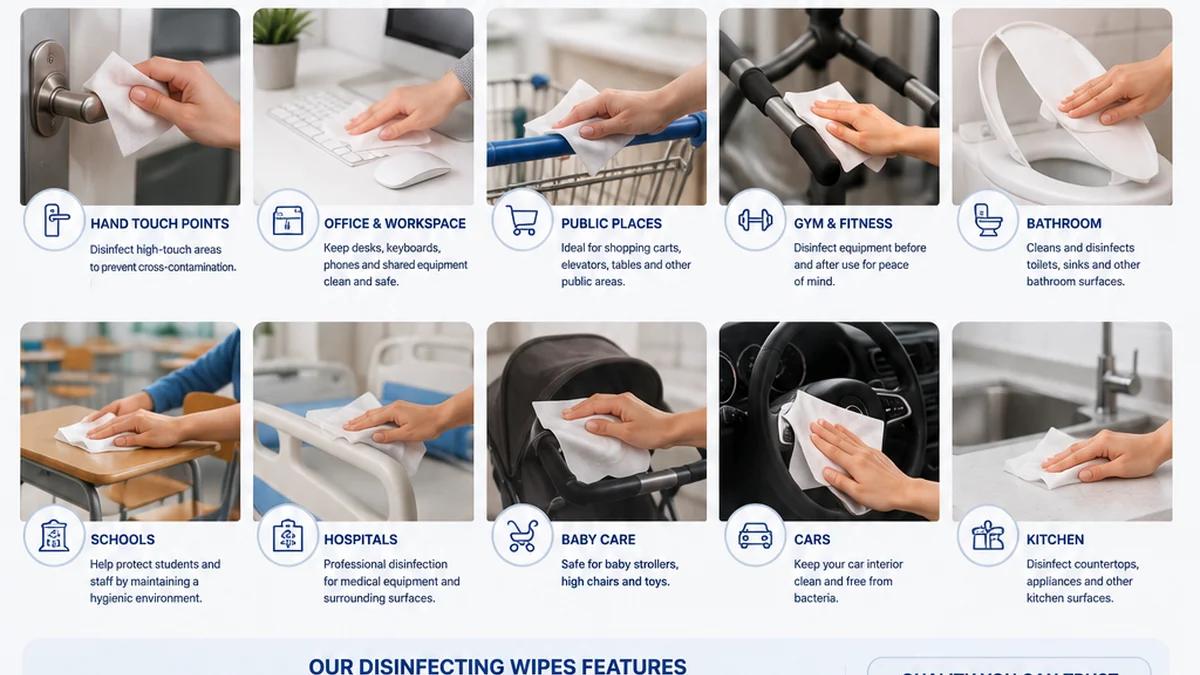
Cleaning wipes formulas vary widely. Some focus on grease removal, some on general surface cleaning, some on fragrance, and some on antibacterial or disinfecting functions. Buyers should avoid making claims that are not supported by formula and local requirements.
Common formula directions include:
EVERION supports custom formulations, helping buyers match product performance to market positioning. Buyers should test samples on real surfaces before mass production.
The fabric must match the cleaning task. A kitchen degreasing wipe may need more texture and strength. A glass wipe may need lower lint and smoother material. A floor wipe may require larger sheet size. A general household wipe may use a balanced nonwoven fabric for cost and performance.
Key fabric factors include:
Buyers should request several samples and compare cleaning performance, hand feel, and durability.
Packaging affects product convenience and shelf appeal. Household cleaning wipes can be packed in soft packs, canisters, buckets, refill packs, sachets, or large commercial packs.
Soft packs are cost-effective and suitable for retail or e-commerce. Canisters provide convenient dispensing and strong shelf presence. Buckets are suitable for industrial or commercial cleaning. Travel packs and sachets may work for hotels, cars, and promotional channels.
Packaging design should clearly show the cleaning use. For example, kitchen wipes should visually communicate grease removal, food preparation areas, or appliance cleaning. Bathroom wipes may use tile, sink, or freshness imagery.
EVERION provides custom packaging and free packaging design support for private label buyers.
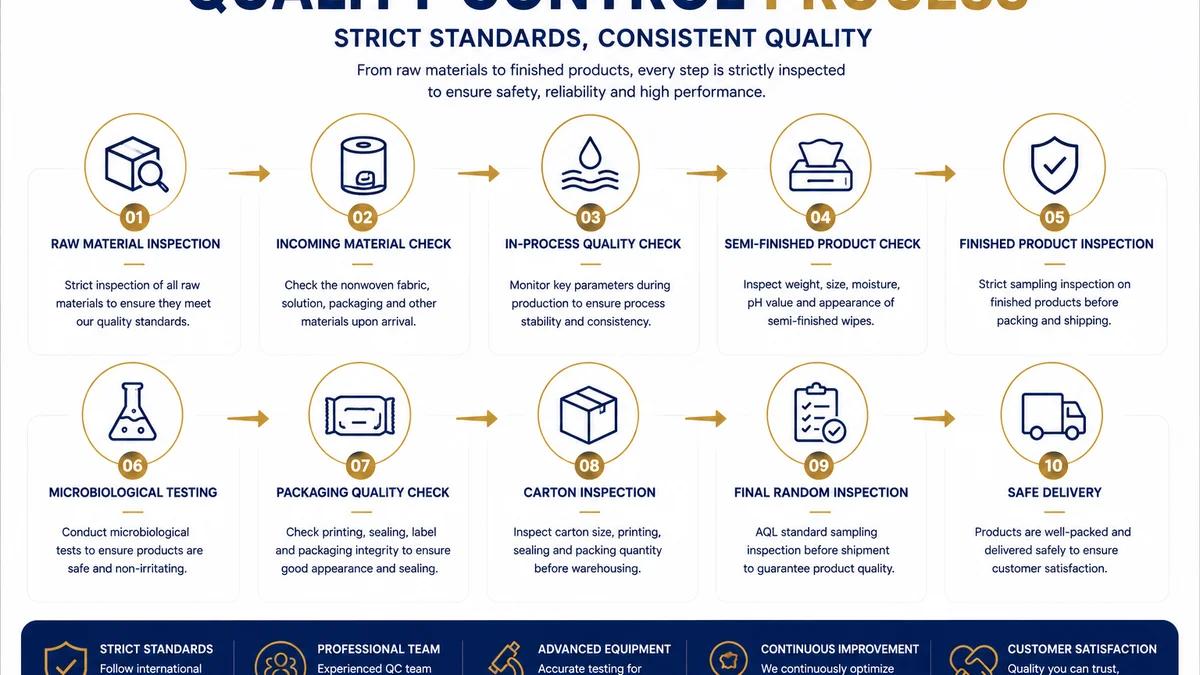
Household cleaning wipes must deliver consistent performance. A wipe that dries out, tears easily, or has weak packaging can create customer complaints. Quality control should cover raw materials, liquid formula, production, packing, and finished goods.
Important checks include:
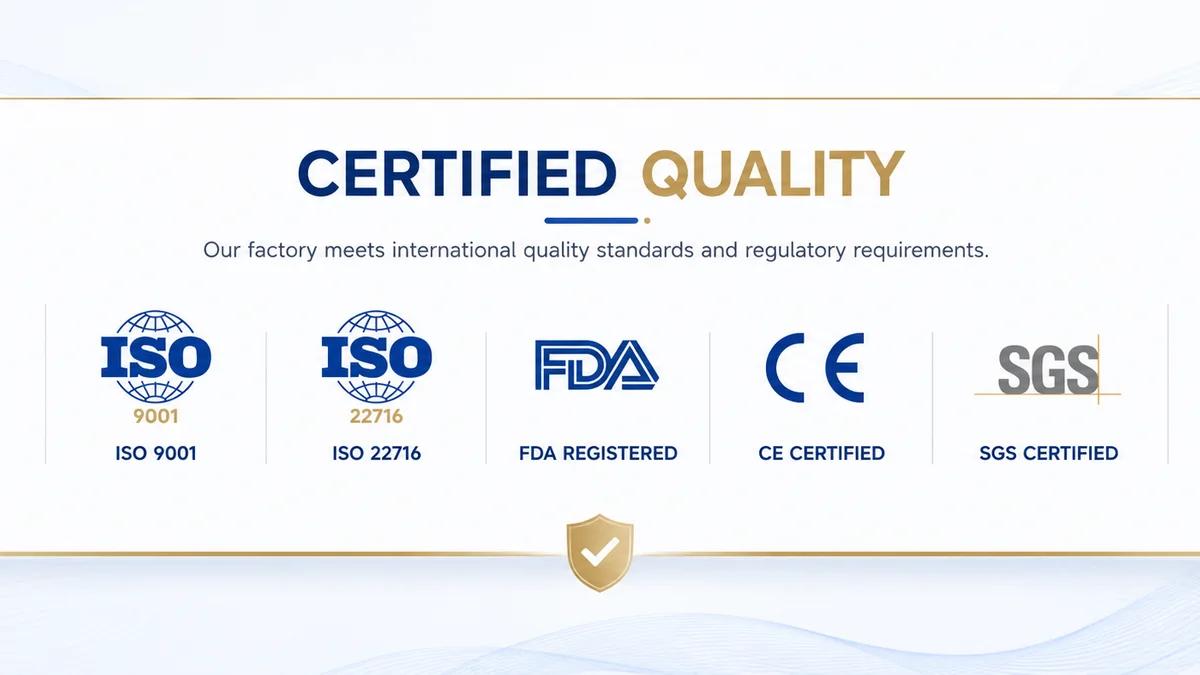
EVERION's GMP workshop and ISO 8 cleanroom management support controlled wet wipes production.
Private label buyers should think beyond one product. Household cleaning wipes can be part of a larger cleaning range. A brand may launch kitchen wipes first, then add bathroom wipes, glass wipes, disinfecting wipes, and pet cleaning wipes.
For distributors, a product family can improve catalog value and cross-selling. For e-commerce sellers, variations can increase average order value. For retailers, consistent packaging across multiple SKUs can build shelf recognition.
Start with the strongest use case for your market, then expand based on customer feedback.
Cost depends on fabric, formula, wipe size, pack count, packaging type, order quantity, and shipping. Buyers should compare total landed cost, not just factory price. Wet wipes are heavy, so shipping efficiency matters.
EVERION offers MOQ from 5,000 packs, which helps buyers test products with less inventory pressure. Free samples allow buyers to confirm performance before placing an order.
When requesting a quote, provide pack count, wipe size, packaging type, formula direction, order quantity, and destination country.
Household cleaning wipes may be shipped by sea, air, express, or DDP depending on order size and urgency. For larger orders, sea freight is usually more cost-effective. For sample orders or urgent launches, faster options may be considered.
DDP shipping, where available, helps buyers simplify import and estimate door-to-door cost. This is useful for new importers and private label brands without a large logistics team.
Plan production and shipping timelines around sales campaigns, seasonal promotions, and retailer delivery windows.
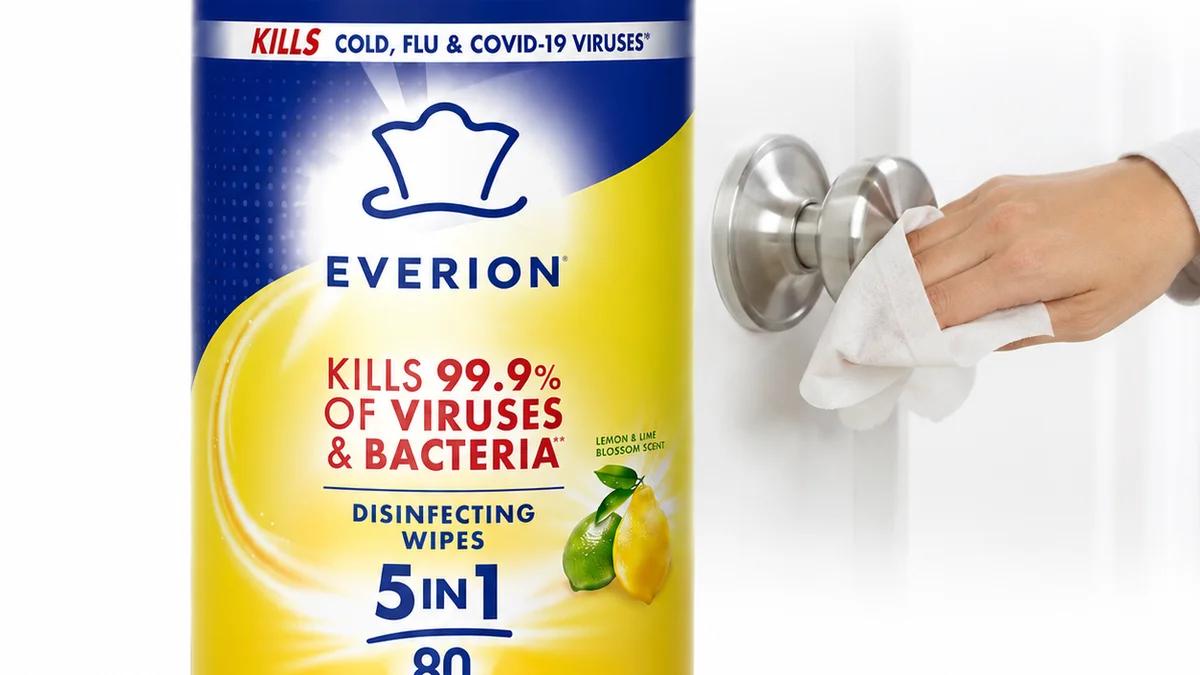
Household cleaning wipes should be developed according to the sales channel. A supermarket product must look clear and competitive on shelf. It needs strong front-panel claims, visible wipe count, and packaging colors that match the cleaning category. A product for online sales needs strong images, clear bullet points, and packaging that survives parcel delivery.
For wholesale and commercial cleaning channels, buyers may prioritize larger pack counts, stronger sheets, and economical cartons. A hotel supplier may prefer sachets or small packs for guest rooms. A janitorial distributor may prefer canisters or buckets. A household brand may prefer soft packs with a flip-top lid for daily use.
The same formula may not work across all channels. Kitchen degreasing wipes need stronger cleaning performance. Glass wipes should reduce streaking. Bathroom wipes may focus on freshness and soap residue. Multi-surface wipes should be balanced and safe for common household materials.
Buyers should also consider product range architecture. A cleaning brand can use similar packaging design across kitchen, bathroom, glass, floor, and disinfecting wipes. This makes the line easier to recognize and can improve distributor confidence.
When requesting samples, ask EVERION to prepare options based on your channel, not only a generic cleaning wipe. This helps you compare real commercial choices and select the most suitable product for your market.
Household cleaning wipes are a practical and scalable private label product for B2B buyers. The best products are built around clear use cases, effective formulas, suitable nonwoven fabrics, strong packaging, and consistent production quality.
EVERION supports private label household cleaning wipes with OEM service, custom formulations, custom packaging, free samples, free packaging design support, MOQ from 5,000 packs, GMP workshop production, ISO 8 cleanroom management, and DDP shipping support.
For importers, distributors, wholesalers, and brand owners, working with a capable OEM household cleaning wipes manufacturer can make product development faster and more reliable.
Share your product category, packaging idea, quantity, and target market. Our export team will help confirm the next step.