
Wet Wipes Knowledge
Disinfecting Wipes OEM Manufacturer Buying Guide for B2B Buyers
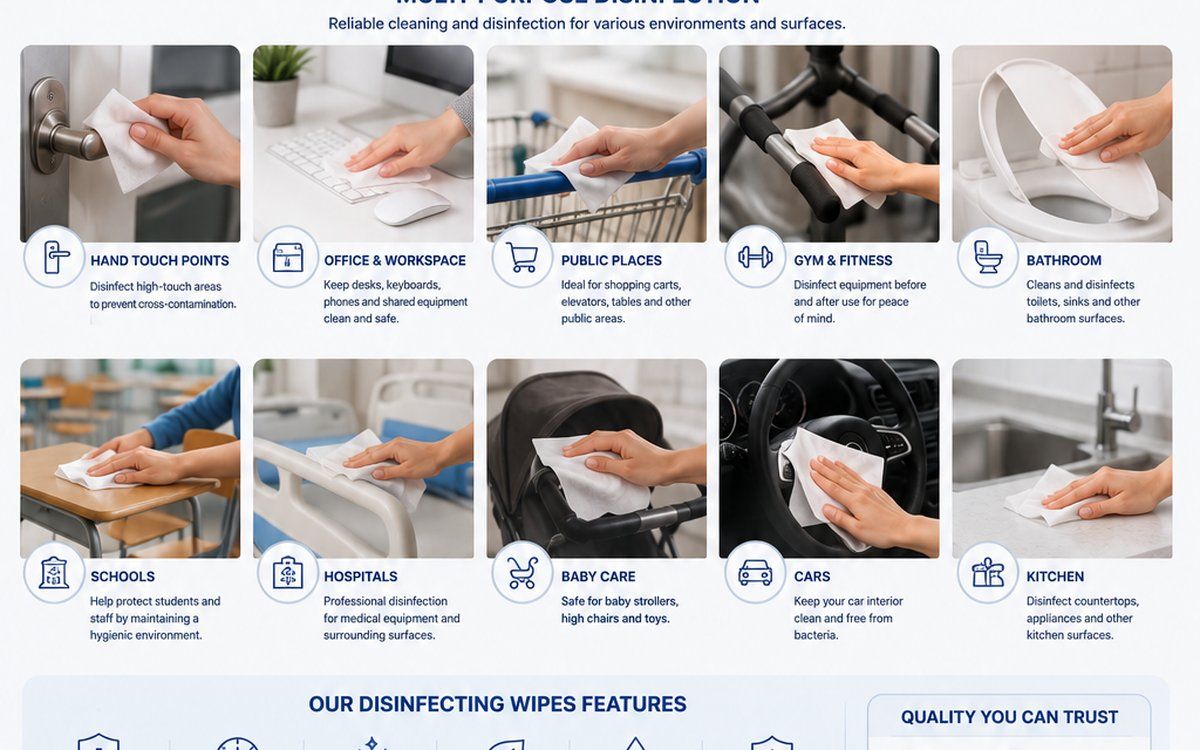
Disinfecting wipes are widely used in homes, offices, gyms, schools, travel, hospitality, healthcare-adjacent environments, and commercial cleaning channels. For importers, distributors, wholesalers, and private label brand owners, disinfecting wipes can be a high-demand product when developed with the right formulation, packaging, and compliance strategy.
This category requires careful planning. Buyers must understand the difference between general cleaning claims and disinfecting claims, choose suitable active ingredients, confirm local market requirements, and work with an OEM wet wipes manufacturer that can control production quality.
ANHUI EVERION TECHNOLOGY CO., LTD., under the EVERION brand, provides OEM wet wipes manufacturing for disinfecting wipes, household cleaning wipes, baby wipes, personal care wipes, flushable wipes, pet wipes, tattoo wipes, and piercing aftercare wipes. EVERION supports OEM and private label service, MOQ from 5,000 packs, free samples, free packaging design support, GMP workshop production, ISO 8 cleanroom management, custom formulations, custom packaging, and DDP shipping support where available.
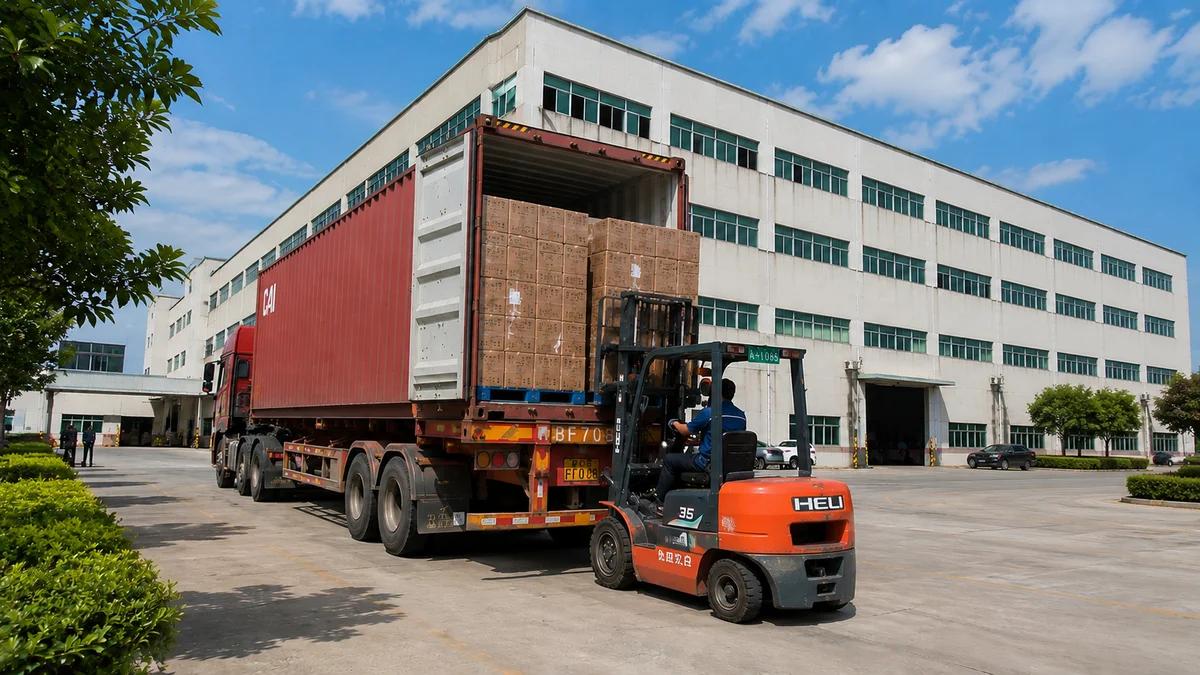
Disinfecting wipes meet the modern demand for fast and convenient surface hygiene. Consumers and businesses want products that are easy to store, easy to use, and ready for quick cleaning. For B2B buyers, the category can fit retail, wholesale, office supply, janitorial, hospitality, travel, and e-commerce channels.
Common product positioning includes:
The right positioning depends on your market, sales channel, and claim requirements.
One of the most important buying considerations is claim management. A wipe used for cleaning does not automatically qualify as a disinfecting wipe in every market. Disinfecting claims may require specific active ingredients, testing, registration, or label approval depending on where the product is sold.
Before launching private label disinfecting wipes, buyers should confirm local regulations and retailer requirements. Your OEM manufacturer can support formulation and production, but the buyer should verify market compliance before printing claims.
Safer claim planning helps avoid delays, packaging reprints, and product rejection.
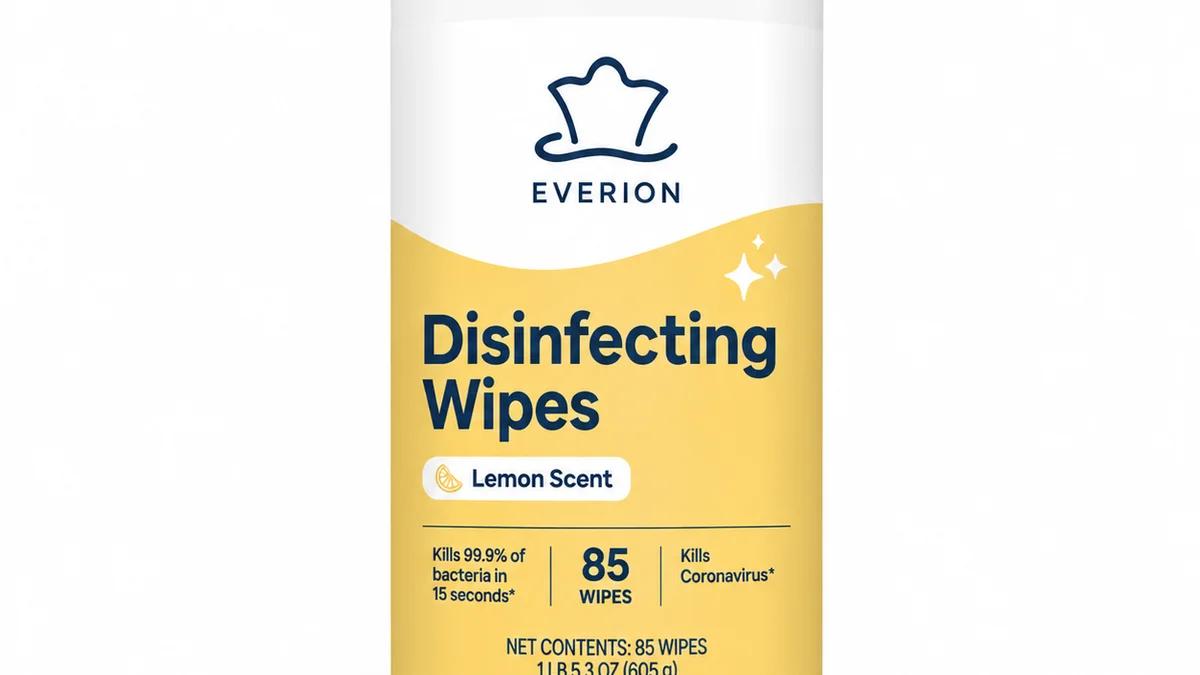
Disinfecting wipes formulas may vary based on active ingredient, target surface, scent, material compatibility, and market requirements. Some buyers want alcohol-based wipes for fast drying. Others prefer non-alcohol surface wipes for household use. Some focus on antibacterial positioning, while others need broader disinfecting claims.
When discussing formulation with a manufacturer, clarify:
EVERION provides custom formulations and can help buyers develop disinfecting wipes based on product positioning.
Fabric choice affects cleaning performance, liquid release, strength, and user experience. Disinfecting wipes often require good wet strength and enough texture to clean surfaces effectively. For delicate surfaces, a softer material may be preferred.
Common considerations include fabric weight, sheet size, texture, absorbency, and compatibility with the formula. If the wipe is used for gyms or industrial settings, larger and stronger sheets may be needed. If it is used for household surfaces, a balanced material may be more cost-effective.
Buyers should test samples on realistic surfaces before confirming production.
Disinfecting wipes can be packed in soft packs, canisters, buckets, sachets, travel packs, or refill packs. Each format serves a different sales channel.
Soft packs are useful for household retail and e-commerce. Canisters are common for offices, gyms, and home cleaning. Buckets may be suitable for commercial cleaning. Sachets can work for travel, hospitality, and promotional use.
Packaging must protect moisture and formula stability. Lid quality, seal strength, and label adhesion are especially important. A disinfecting wipe that dries out too quickly will fail consumer expectations.
EVERION provides custom packaging and free packaging design support to help buyers build a retail-ready private label product.
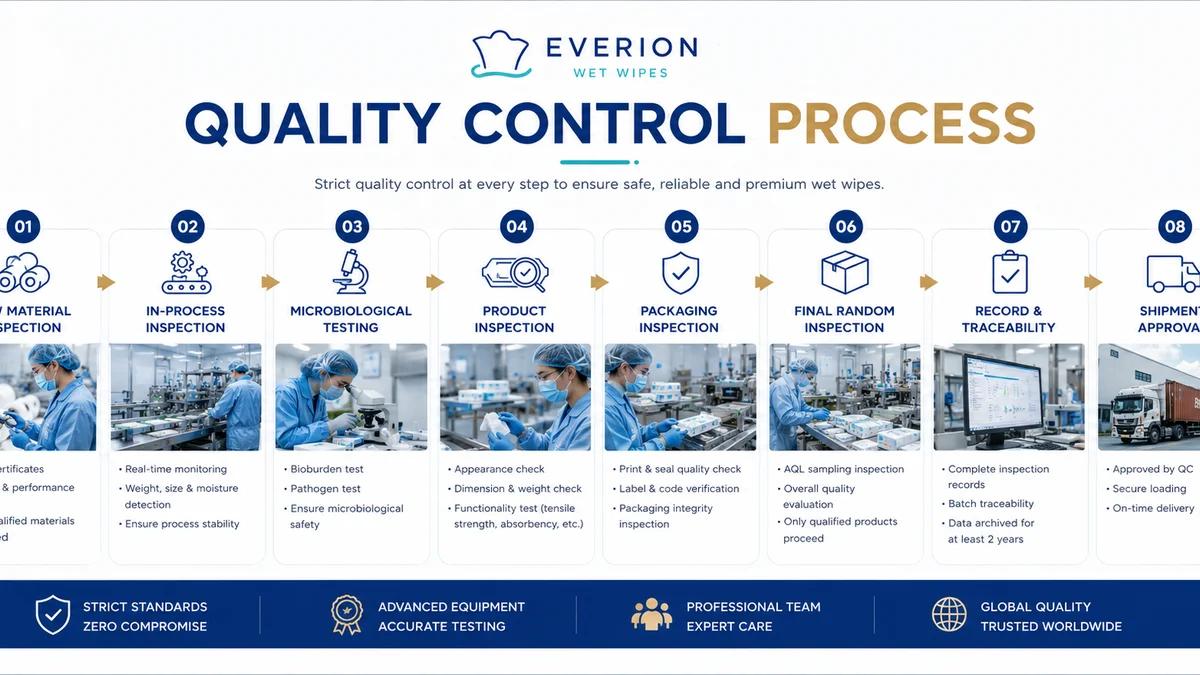
Disinfecting wipes require careful batch control. Liquid dosing, sheet count, pack sealing, formula consistency, and packaging accuracy must be checked throughout production. Buyers should approve samples before mass production and confirm specifications in writing.
Important inspection points include:
EVERION uses GMP workshop management and ISO 8 cleanroom production to support hygienic wet wipes manufacturing.
Disinfecting wipes are price-sensitive in some channels and compliance-sensitive in others. A wholesaler may care most about cost, pack count, and shipment efficiency. A retail brand may focus more on packaging design, claims, and shelf appeal. A commercial cleaning supplier may need larger formats and stronger wipes.
Before requesting a quote, prepare:
The clearer your brief, the faster the manufacturer can provide accurate samples and pricing.
Unit price depends on formula, active ingredients, fabric weight, wipe size, packaging type, order quantity, and shipping method. Buyers should compare total landed cost rather than only factory price.
Because wet wipes are heavy, freight cost can be significant. DDP shipping, when available, may help buyers understand total cost more clearly. EVERION can support DDP shipping for selected markets.
If you are launching a new private label line, start with a practical MOQ and a focused product specification. MOQ from 5,000 packs allows buyers to test demand before scaling.
EVERION supports buyers from sample development to production and shipment. The factory can produce multiple wet wipes categories, allowing buyers to build a wider product line with one supplier. This is helpful for distributors who want disinfecting wipes, household cleaning wipes, pet wipes, and personal care wipes under the same private label brand.
With free samples, free packaging design support, custom formulations, custom packaging, and cleanroom production, EVERION helps reduce sourcing complexity for B2B buyers.
Disinfecting wipes can be profitable, but they require stronger project control than many ordinary wet wipes. The first risk is unsupported claims. If a package says disinfecting, antibacterial, kills germs, or hospital grade, the buyer must confirm whether testing, registration, or specific label language is required in the destination market.
The second risk is formula and packaging compatibility. Some active ingredients may interact with packaging film, lids, labels, or printing inks over time. This is why stability review and sample testing are important before mass production. Buyers should store samples under realistic conditions and check scent, moisture, color, and pack sealing.
The third risk is unclear use instructions. Disinfecting wipes often require correct surface contact time. If the consumer wipes and dries too quickly, the product may not perform as expected. Packaging should explain usage in a clear and market-appropriate way.
For wholesale buyers, carton durability is another practical issue. Heavy wet wipes cartons can be damaged during international shipping if packaging is too weak. Ask for carton specifications, pallet loading advice, and photos of finished goods before shipment.
A professional OEM partner helps reduce these risks by controlling formulation, batch records, production hygiene, sealing quality, and inspection. Buyers should combine factory support with their own local compliance review before product launch.
Private label disinfecting wipes can be a strong B2B product, but buyers must manage formula selection, claims, packaging, quality control, and compliance carefully. The right OEM disinfecting wipes manufacturer should provide technical support, production control, flexible customization, and practical shipping options.
EVERION helps importers, distributors, wholesalers, and brand owners develop disinfecting wipes with OEM service, MOQ from 5,000 packs, free samples, free design support, GMP workshop production, ISO 8 cleanroom management, custom formulas, custom packaging, and DDP shipping support.
Share your product category, packaging idea, quantity, and target market. Our export team will help confirm the next step.