
Wet Wipes Knowledge
Complete Guide to Wet Wipes Packaging Types
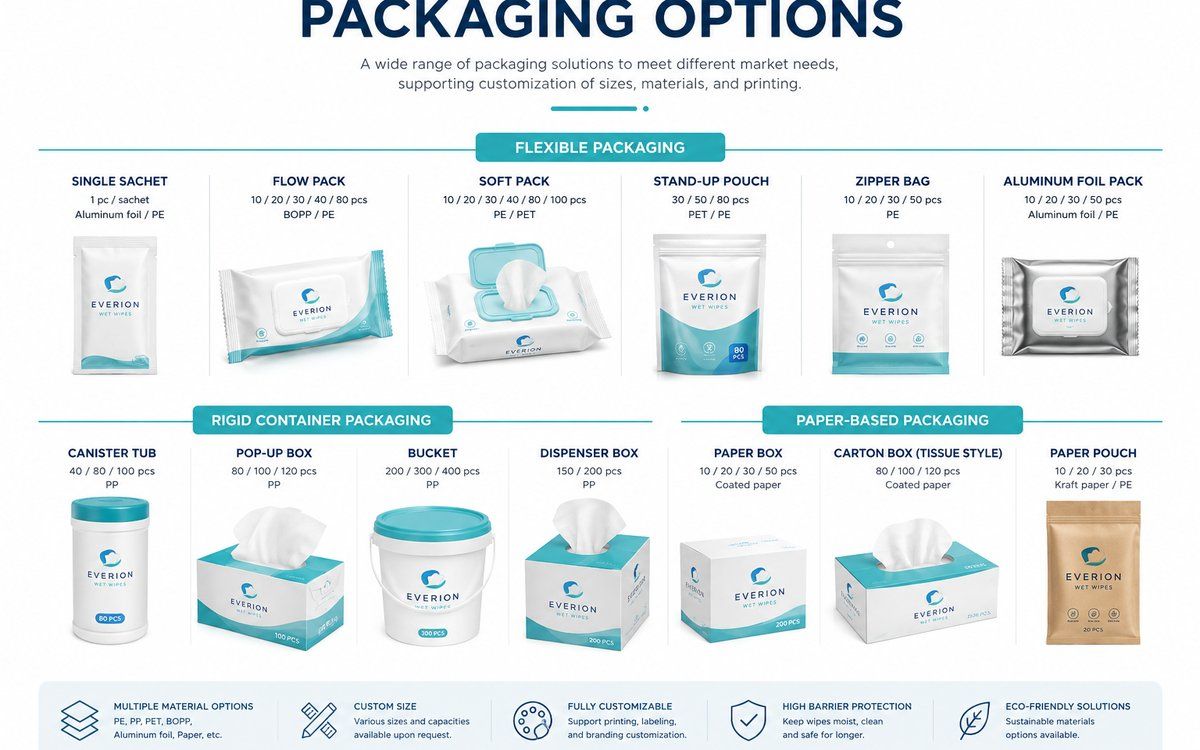
Packaging plays a critical role in the success of a wet wipes product.
While the formula and nonwoven material determine product performance, packaging influences convenience, shelf appeal, transportation efficiency, and consumer experience.
For brand owners and private label buyers, selecting the right packaging format is just as important as choosing the right formula.
This guide explains the most common wet wipes packaging types and their applications.
Packaging affects more than appearance.
The right packaging helps:
Choosing the right format can significantly improve customer satisfaction and sales performance.
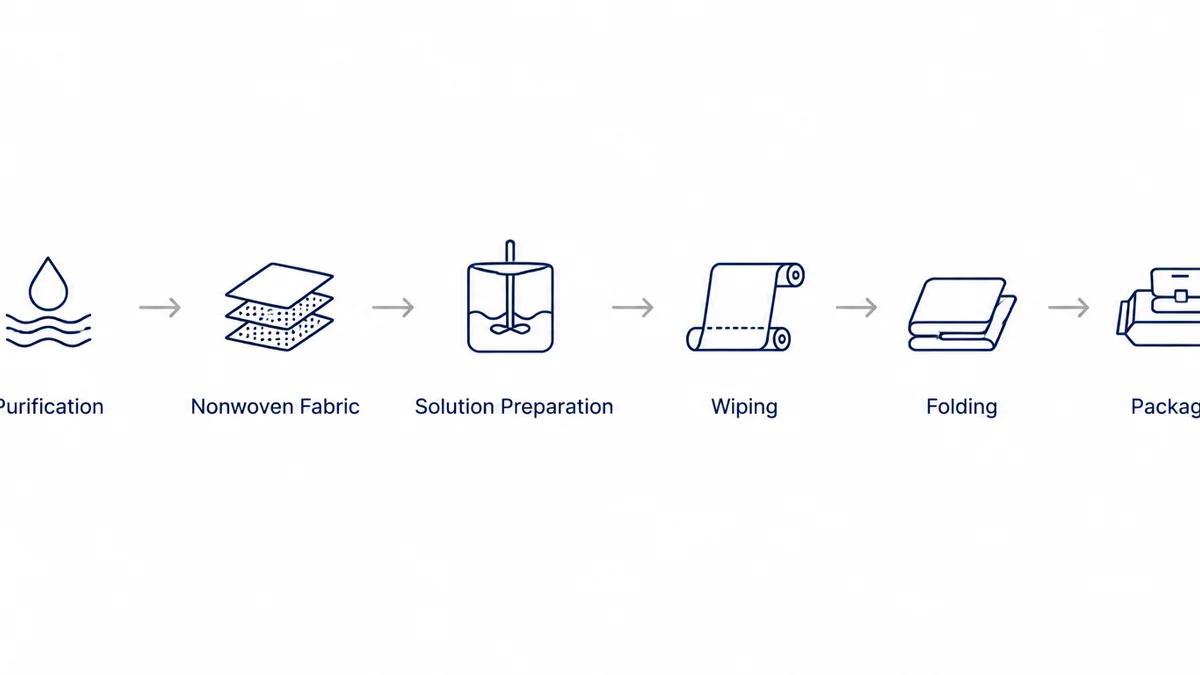
Soft packs are the most popular packaging format in the wet wipes industry.
They typically use flexible film packaging with a resealable plastic lid or adhesive label.
Soft packs remain the preferred choice for most private label wet wipes projects.
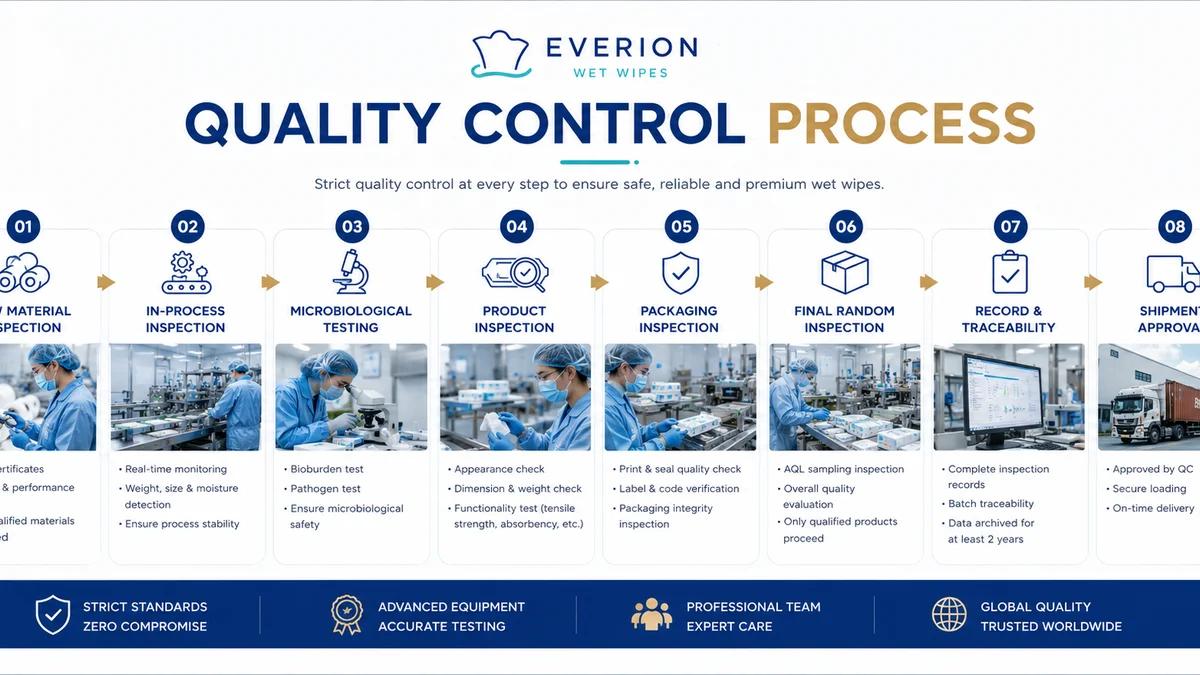
Sachet packaging contains a single wipe or a small number of wipes.
Each sachet is individually sealed.
Sachet wipes are widely used in hospitality and travel industries.
Travel packs are designed for portability and convenience.
They usually contain a limited number of wipes in compact packaging.
Travel-size packaging is becoming increasingly popular among consumers with active lifestyles.
Canister packaging uses a rigid plastic container with a dispensing lid.
The wipes are typically pulled through a central opening.
Canisters are often used for products requiring frequent daily use.
Refill packs are designed to replenish canisters or dispensers.
This packaging format reduces plastic consumption and transportation costs.
Many environmentally conscious brands now offer refill systems.
Bucket packaging is commonly used for industrial and commercial applications.
The bucket contains a large quantity of wipes and is designed for high-volume usage.
Bucket wipes are widely used in factories and maintenance facilities.
Flow packs use horizontal form-fill-seal packaging technology.
This format is widely used for retail and promotional products.
Flow packs provide a balance between cost and visual appeal.
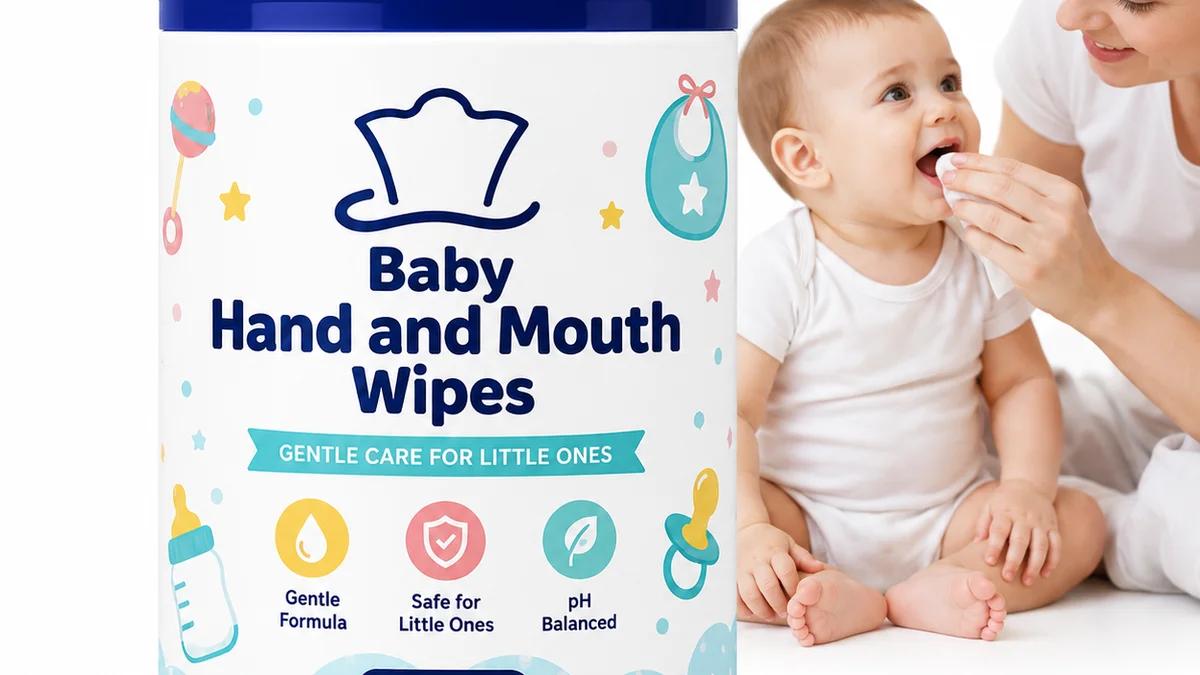
OEM manufacturers can offer extensive customization options.
Common options include:
Customization may include:
High-quality printing helps strengthen brand recognition.
Available lid styles include:
The choice depends on product positioning and budget.
Different markets often require different packaging solutions.
Recommended:
Priorities:
Recommended:
Priorities:
Recommended:
Priorities:
Recommended:
Priorities:
Sustainability is becoming increasingly important in the wet wipes industry.
Many brands are adopting:
Consumers are paying closer attention to environmental impact than ever before.
Brands that embrace sustainable packaging often gain competitive advantages.
Professional OEM manufacturers can assist with:
This support helps brands develop packaging that meets both market expectations and production requirements.
The right packaging solution can significantly influence the success of a wet wipes product.
From soft packs and sachets to canisters and refill systems, each format offers unique advantages depending on the target market and application.
By working with an experienced OEM wet wipes manufacturer, brands can select packaging solutions that improve convenience, strengthen branding, and support long-term business growth.
Packaging affects more than appearance.
The right packaging helps:
Choosing the right format can significantly improve customer satisfaction and sales performance.
Soft packs are the most popular packaging format in the wet wipes industry.
They typically use flexible film packaging with a resealable plastic lid or adhesive label.
Soft packs remain the preferred choice for most private label wet wipes projects.
Sachet packaging contains a single wipe or a small number of wipes.
Each sachet is individually sealed.
Sachet wipes are widely used in hospitality and travel industries.
Travel packs are designed for portability and convenience.
They usually contain a limited number of wipes in compact packaging.
Travel-size packaging is becoming increasingly popular among consumers with active lifestyles.
Canister packaging uses a rigid plastic container with a dispensing lid.
The wipes are typically pulled through a central opening.
Canisters are often used for products requiring frequent daily use.
Refill packs are designed to replenish canisters or dispensers.
This packaging format reduces plastic consumption and transportation costs.
Many environmentally conscious brands now offer refill systems.
Bucket packaging is commonly used for industrial and commercial applications.
The bucket contains a large quantity of wipes and is designed for high-volume usage.
Bucket wipes are widely used in factories and maintenance facilities.
Flow packs use horizontal form-fill-seal packaging technology.
This format is widely used for retail and promotional products.
Flow packs provide a balance between cost and visual appeal.
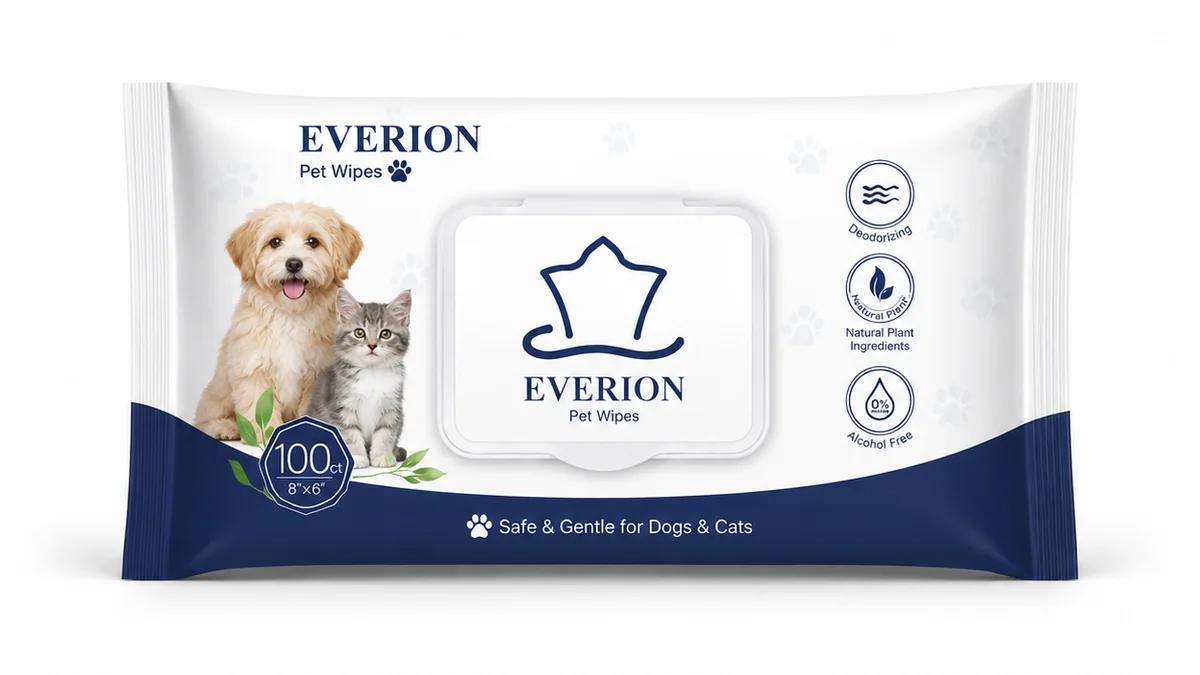
OEM manufacturers can offer extensive customization options.
Common options include:
Customization may include:
High-quality printing helps strengthen brand recognition.
Available lid styles include:
The choice depends on product positioning and budget.
Different markets often require different packaging solutions.
Recommended:
Priorities:
Recommended:
Priorities:
Recommended:
Priorities:
Recommended:
Priorities:
Sustainability is becoming increasingly important in the wet wipes industry.
Many brands are adopting:
Consumers are paying closer attention to environmental impact than ever before.
Brands that embrace sustainable packaging often gain competitive advantages.
Professional OEM manufacturers can assist with:
This support helps brands develop packaging that meets both market expectations and production requirements.
The right packaging solution can significantly influence the success of a wet wipes product.
From soft packs and sachets to canisters and refill systems, each format offers unique advantages depending on the target market and application.
By working with an experienced OEM wet wipes manufacturer, brands can select packaging solutions that improve convenience, strengthen branding, and support long-term business growth.
Share your product category, packaging idea, quantity, and target market. Our export team will help confirm the next step.