
Wet Wipes Knowledge
Private Label Wet Wipes: Complete Buyer's Guide
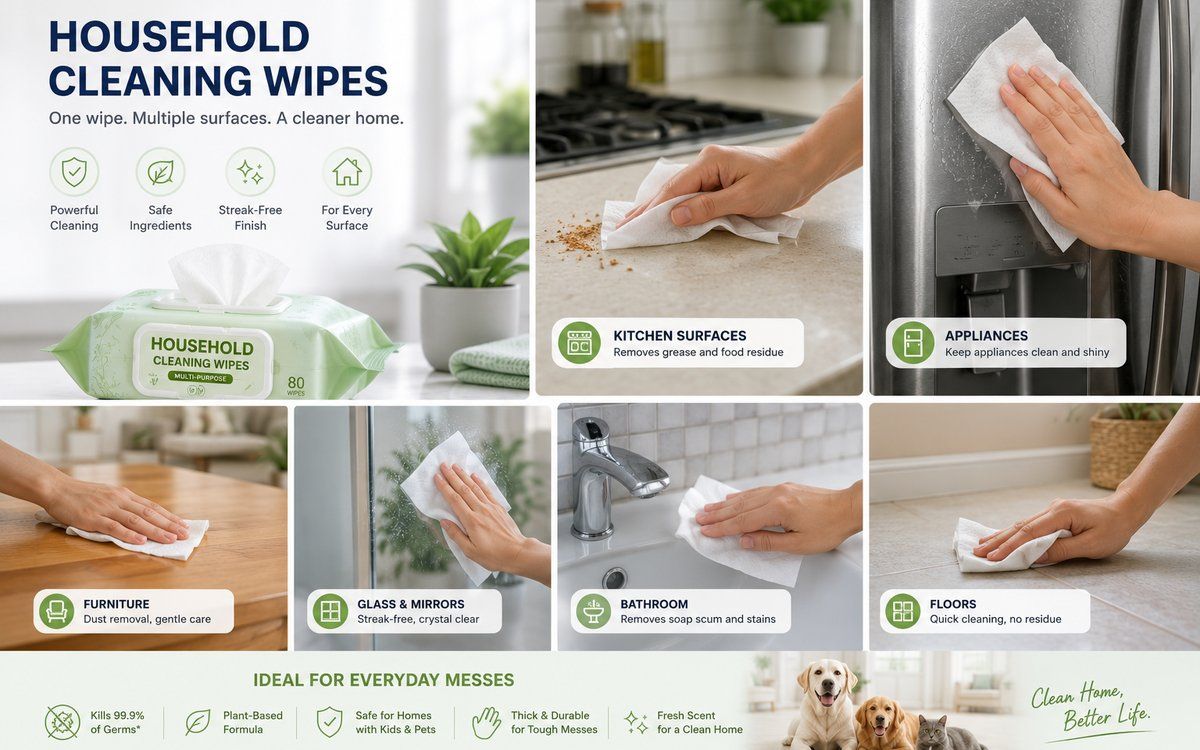
Private label wet wipes have become one of the fastest-growing segments in the personal care and household products industry.
Retailers, distributors, e-commerce sellers, healthcare companies, and entrepreneurs are increasingly launching their own wet wipes brands through private label manufacturing.
Compared with building a factory or developing products from scratch, private label manufacturing offers a faster and more cost-effective path to market.
In this guide, we explain everything buyers need to know before launching a private label wet wipes brand.
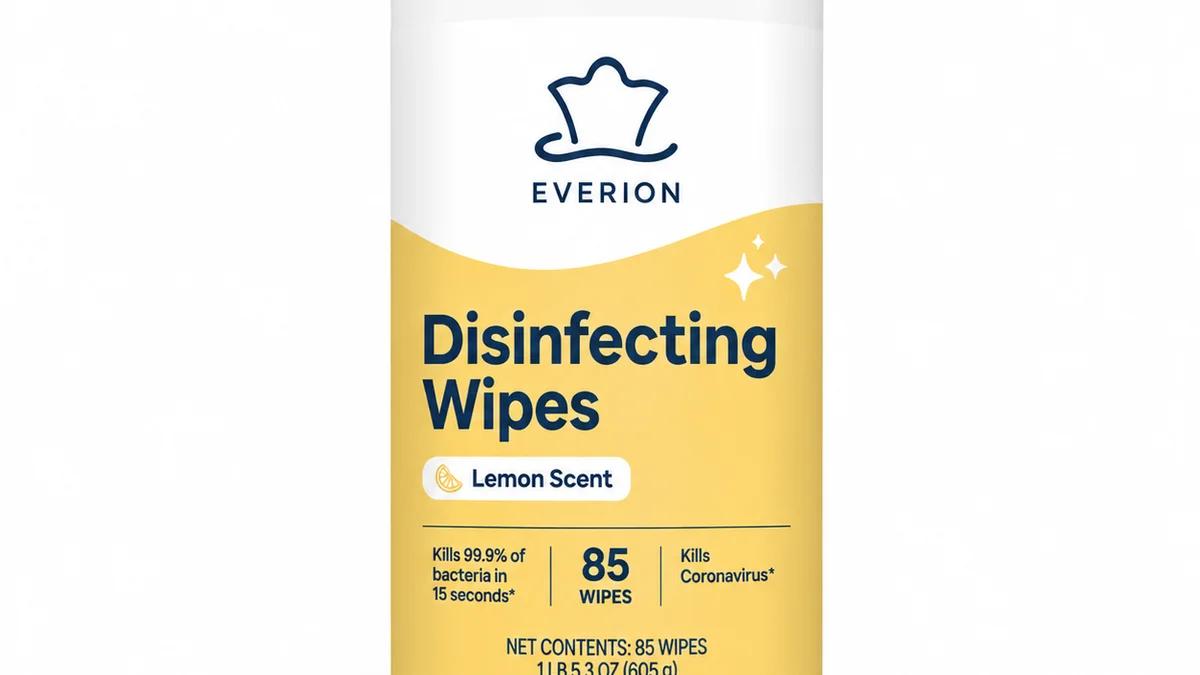
Private label wet wipes are products manufactured by an OEM factory and sold under a customer's own brand name.
The manufacturer produces the wipes, while the buyer controls:
This model allows businesses to launch products without investing in manufacturing equipment or production facilities.
Consumer demand for wet wipes continues to expand across multiple categories.
Popular sectors include:
Private label manufacturing enables businesses to enter these markets quickly and efficiently.
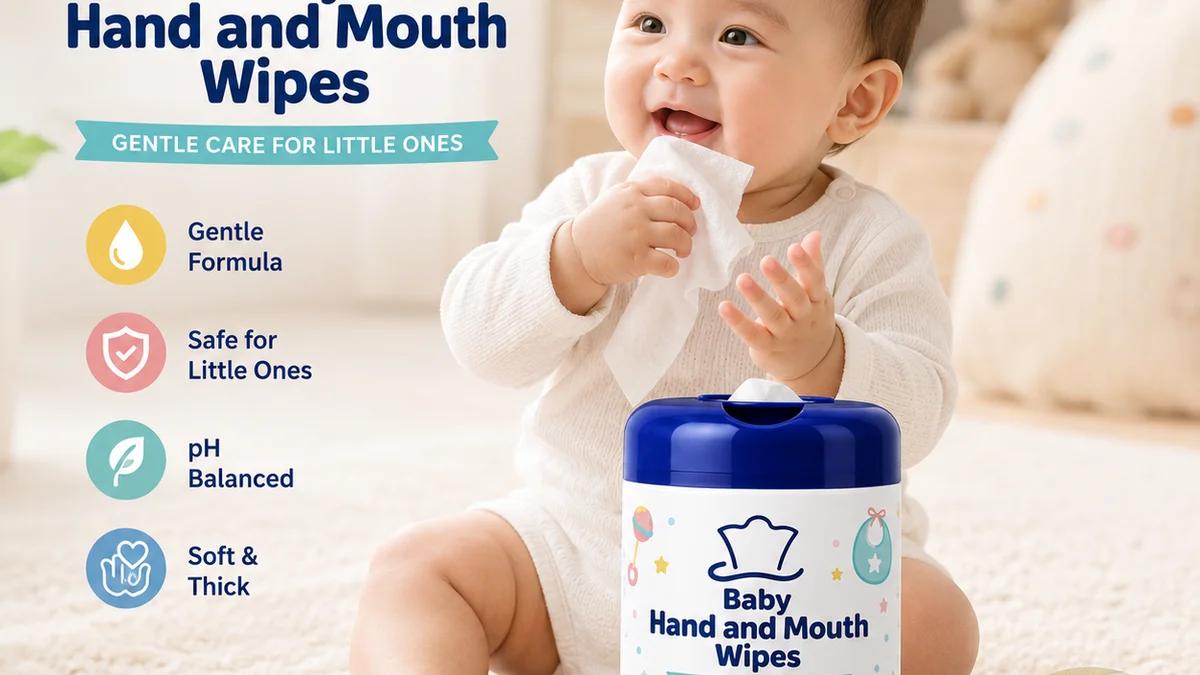
Private label projects typically require less development time compared with fully customized OEM products.
Since proven formulations are already available, production can begin shortly after packaging approval.
Private label manufacturing eliminates the need for:
This significantly reduces startup costs.
Experienced manufacturers can provide:
This allows buyers to focus on sales and marketing.
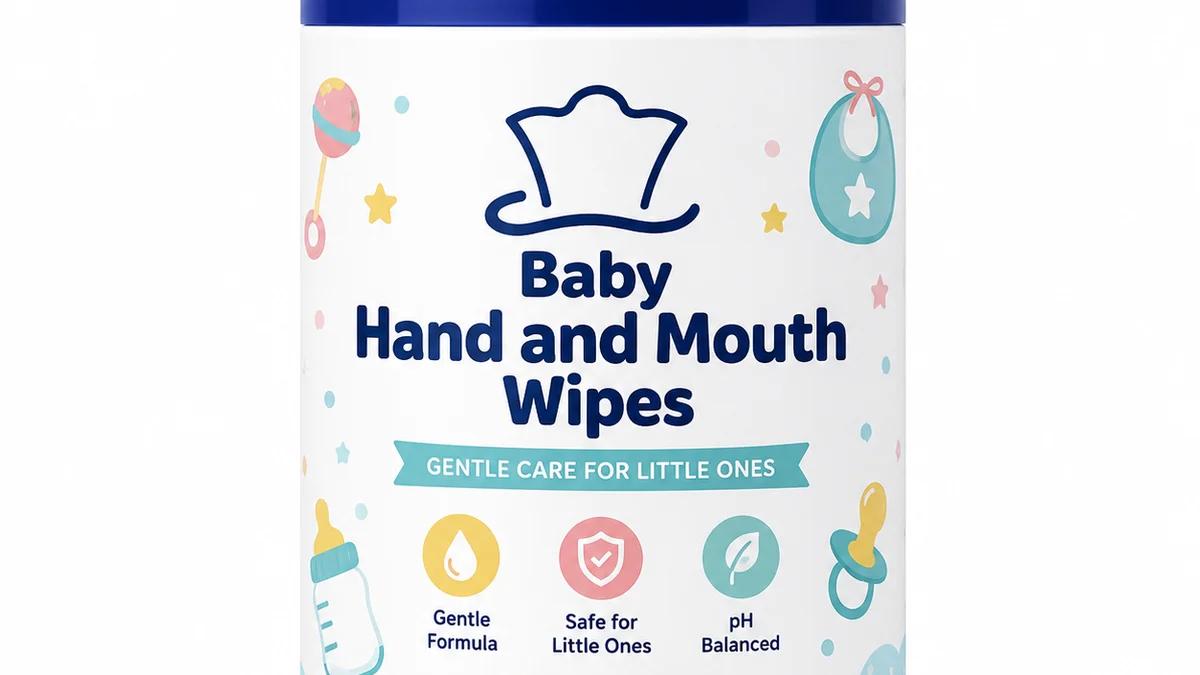
Several product categories are particularly popular.
Common features include:
Examples include:
Applications include:
These products are widely used in:
Designed for:
Private label products offer more flexibility than many buyers expect.
Options may include:
Available materials often include:
Popular packaging options include:
Manufacturers can provide:
Professional packaging helps products stand out in competitive markets.
The process is usually straightforward.
Choose your product category.
Select the formula and material.
Choose packaging specifications.
Submit your artwork.
Approve samples.
Begin mass production.
Arrange shipping and delivery.
Most projects can be completed efficiently with support from an experienced OEM manufacturer.
MOQ requirements vary depending on:
For new brands, working with a manufacturer that offers flexible MOQ options can reduce risk and improve market testing opportunities.
Not all suppliers offer the same capabilities.
Important factors include:
Look for manufacturers with extensive OEM and private label experience.
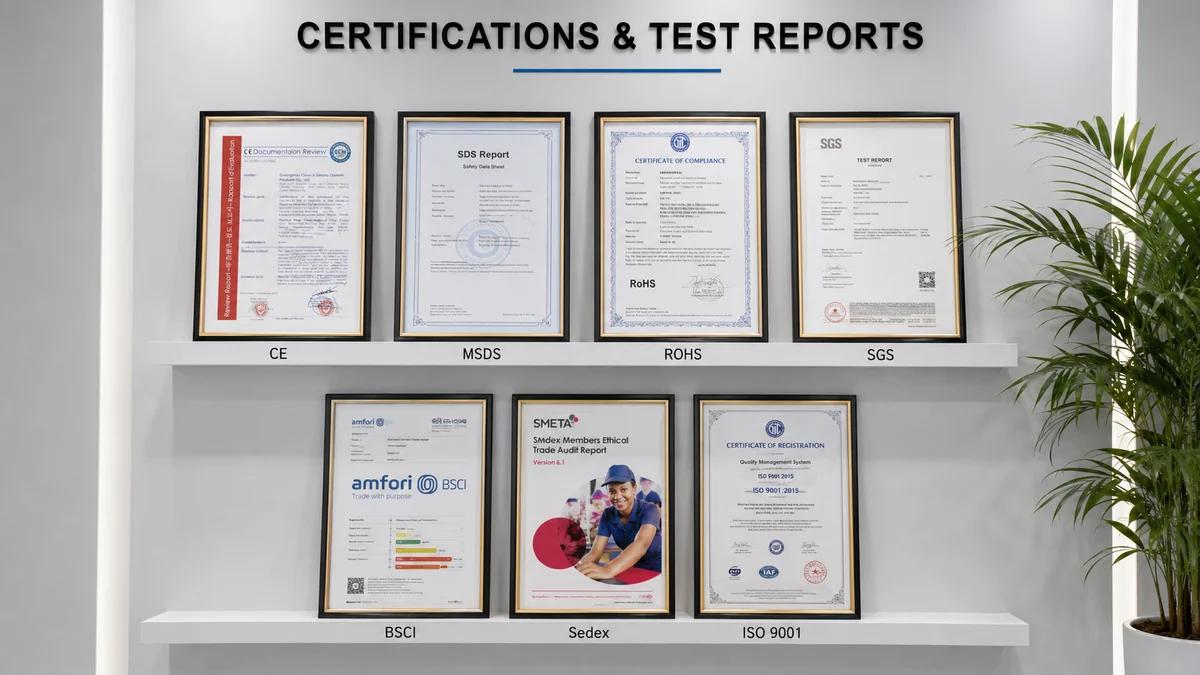
Professional manufacturers should operate under strict quality systems.
Examples include:
Strong suppliers can assist with:
International shipping experience helps ensure smooth project execution.
The lowest-priced supplier is not always the best option.
Quality and consistency are equally important.
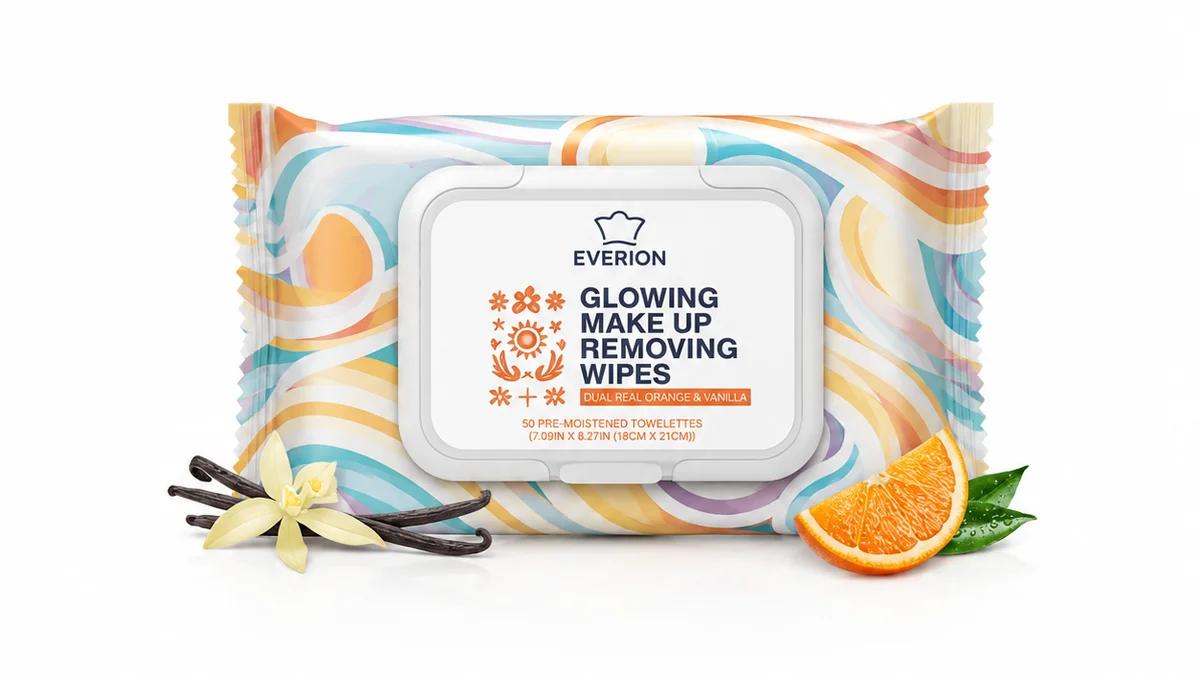
Packaging often influences purchasing decisions.
Investing in professional branding can significantly improve product performance.
Always evaluate samples before production begins.
Testing helps verify:
Several trends are shaping the future of the industry.
Demand for:
continues to increase.
Consumers increasingly prefer:
Demand for personal hygiene products remains strong worldwide.
This trend continues to create opportunities for private label brands.
Private label wet wipes provide an efficient way for businesses to enter the growing wet wipes market.
With flexible customization options, lower investment requirements, and professional manufacturing support, private label solutions allow brands to focus on marketing and growth rather than production management.
Choosing the right manufacturing partner can significantly improve product quality, speed to market, and long-term business success.
Share your product category, packaging idea, quantity, and target market. Our export team will help confirm the next step.